
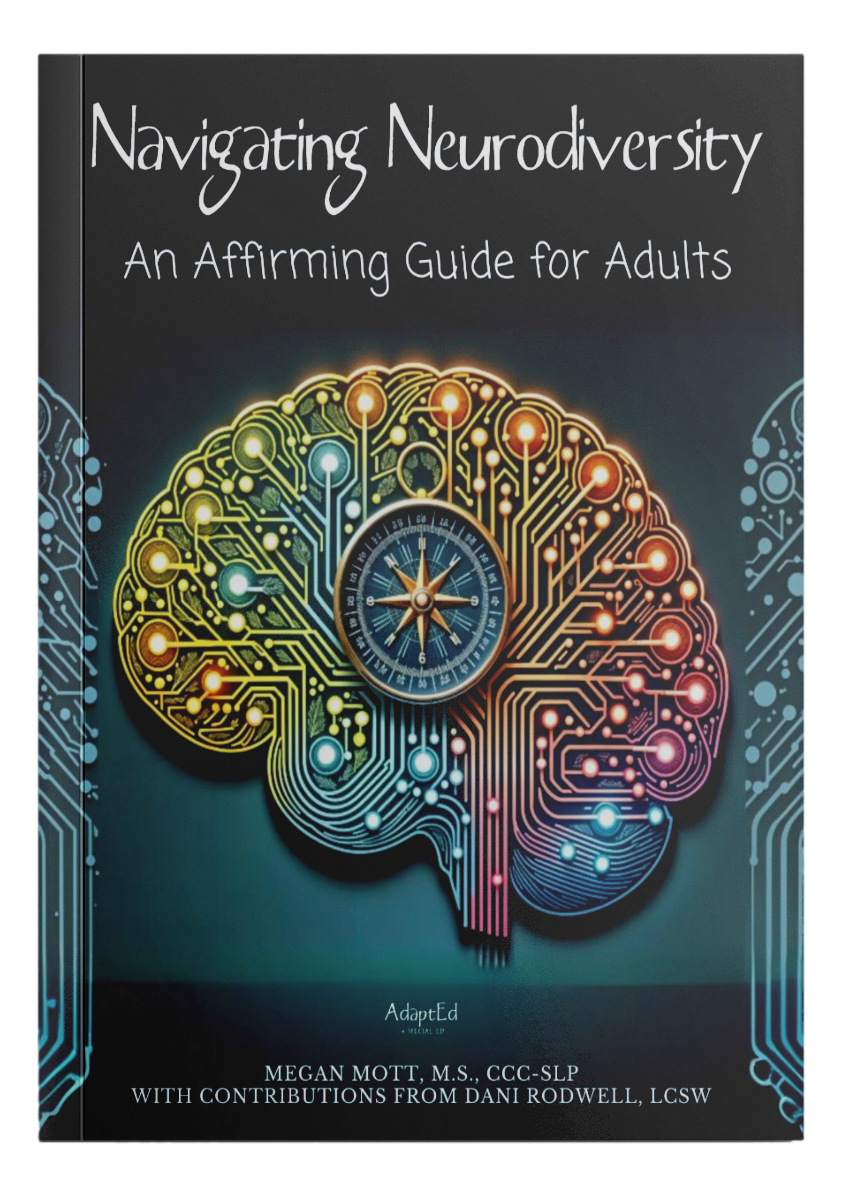

Navigating Neurodiversity: A Practical Guide for Neurodivergent Adults
For Years, You Didn't Have a Word for It. Now You Do.
"I'm often daunted by reading about this topic, so I avoid it. This was presented in a way that did not overwhelm me at all. Concise and useful."— Ami C., verified buyer
This is the guide for everything that comes next.
Navigating Neurodiversity is a practical, field-tested handbook for the late-diagnosed adult—178 pages covering everything from diagnosis to daily life, written by someone who has lived it.
✨ What's Inside
Diagnosis & identification → ADHD, autism, late-identified neurodivergence, and the many paths to self-discovery.
Masking → what it is, what it costs, and how to start unmasking on your own terms.
Executive functioning & sensory → ND profiles, regulation, stimming, and the real reasons "just try harder" never worked.
Communication & relationships → the Double Empathy Problem, ND/NT dynamics, and scripts for being understood.
Workplace & daily life → ADA accommodations, ND job strengths, finances, healthcare, and the things nobody warned you about.
ND challenges → dysregulation, RSD, PDA, and self-injurious behaviors—addressed honestly.
Finding affirming care → choosing a therapist, mental health considerations, and what non-affirming care looks like.
👤 Who It's For
This is for the adult who got their diagnosis at 32, or 47, or 58—or who is starting to recognize themselves in what their child or client is going through.
It's for the person who spent decades being told they were lazy, sensitive, dramatic, or just trying harder than everyone else seemed to need to.
It's also useful for the educational therapist, the partner, or the friend who wants to understand what their client or loved one is actually navigating.
A note on what this book isn't: it's not a guide for adults with significant support needs, and it's not a parenting resource. It's for the person who made it into adulthood by adapting—and is ready to stop doing that alone.
✍️ Written by Someone Who Lives It
Megan is a late-diagnosed SLP and mom to three neurodivergent kids. Her bestselling children's handbook has sold 25,000+ copies—this is the adult companion. 178 pages drawing on lived experience, clinical practice, and the work of leading neurodiversity-affirming voices.
📦 Choose Your Format
Digital PDF → instant access, searchable, start tonight
Paperback → tactile, durable, lays open on your desk for daily reference
Bundle (Best Value) → both formats, save when you get them together 🎉
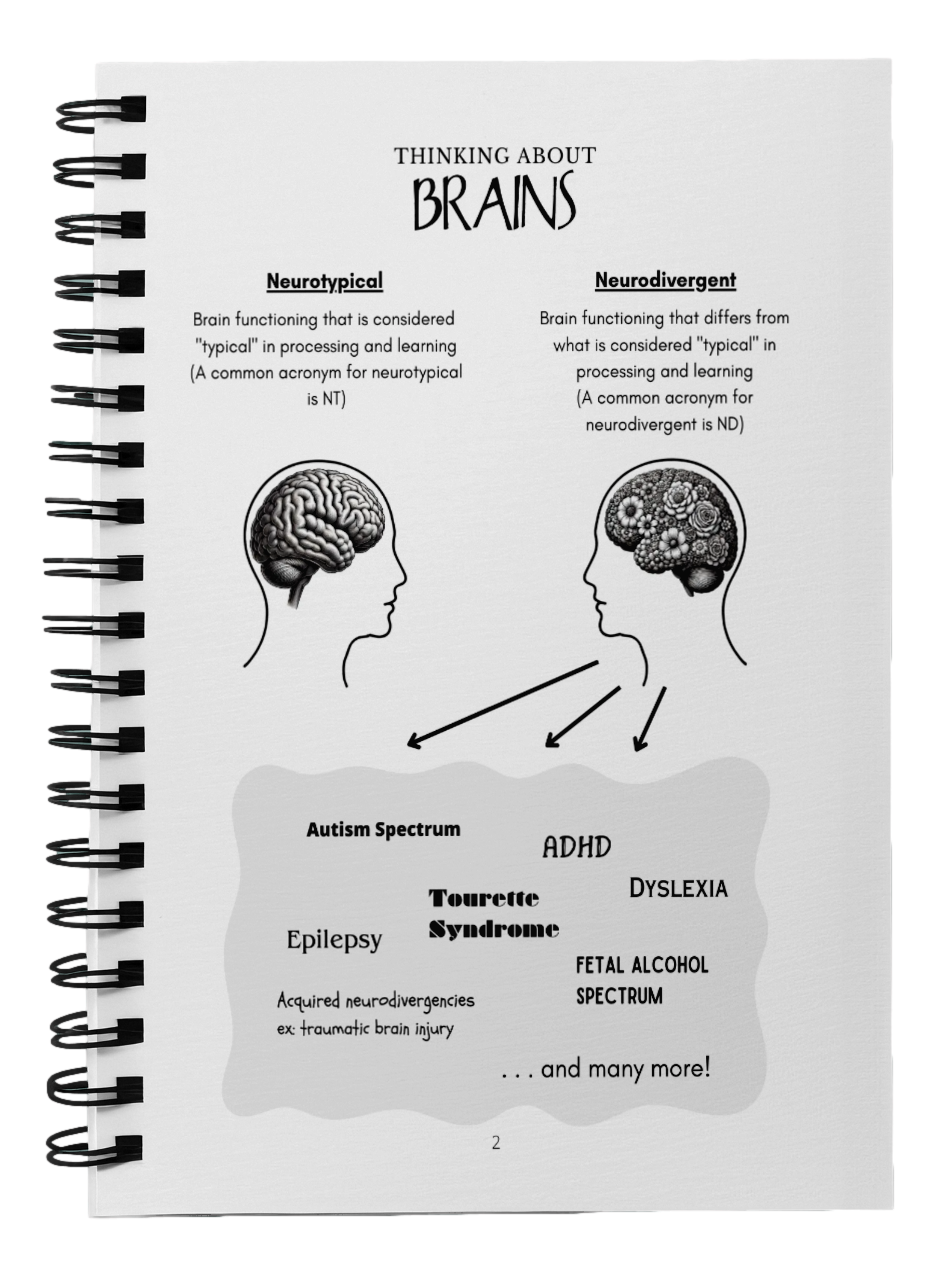
Neurodiversity Affirming Training Handbook
Real Tools for Supporting Neurodivergent Learners—Every Day
Use-now strategies for home, school, and therapy—no fluff.
102 pages · PDF or Print · Built by neurodivergent professionals
✅ What’s Inside
102-page handbook packed with ready-to-use tools
Behavior, communication (including gestalt language strategies), sensory, and IEP strategies that work in real moments
Team collaboration guides for therapists, educators, and families
Visuals, checklists, and templates you can use today
💡 Built for how you work
Flip straight to what you need and act in the moment. This won’t live on a shelf—it’ll live on your desk.
👥 Who It’s For
Educators · Therapists · Parents · Support Staff
⭐ What Educators Say
“Exactly what I was looking for. It’s laid out clearly, framed in a strength-based way, and easy to share with teams or post in the classroom. I especially appreciated the reframing of how we speak about neurodivergent students. So thankful for this resource.”— Deborah Edgett, Educator
🛒 Choose Your Format
PDF Only — Download & print what you need
Print Only — Softcover shipped to you
Both (Most Popular) — Print book + instant PDF access
Why it’s different
Free downloads are everywhere—but they cost time, energy, and second-guessing. This handbook saves hours with 100+ pages of practical, field-tested strategies—created by neurodivergent professionals and veteran special educators.
Inclusive by design
Supports learners with Autism, ADHD, Dyslexia, Dyspraxia, Tourette Syndrome, Fetal Alcohol Spectrum Disorder (FASD), sensory processing differences, and other learning and attention profiles.
Get started
Support neurodivergent learners with clarity, confidence, and care.
POs welcome · 1-business-day email support · Instant downloadEmail: service@adapted4specialed.com
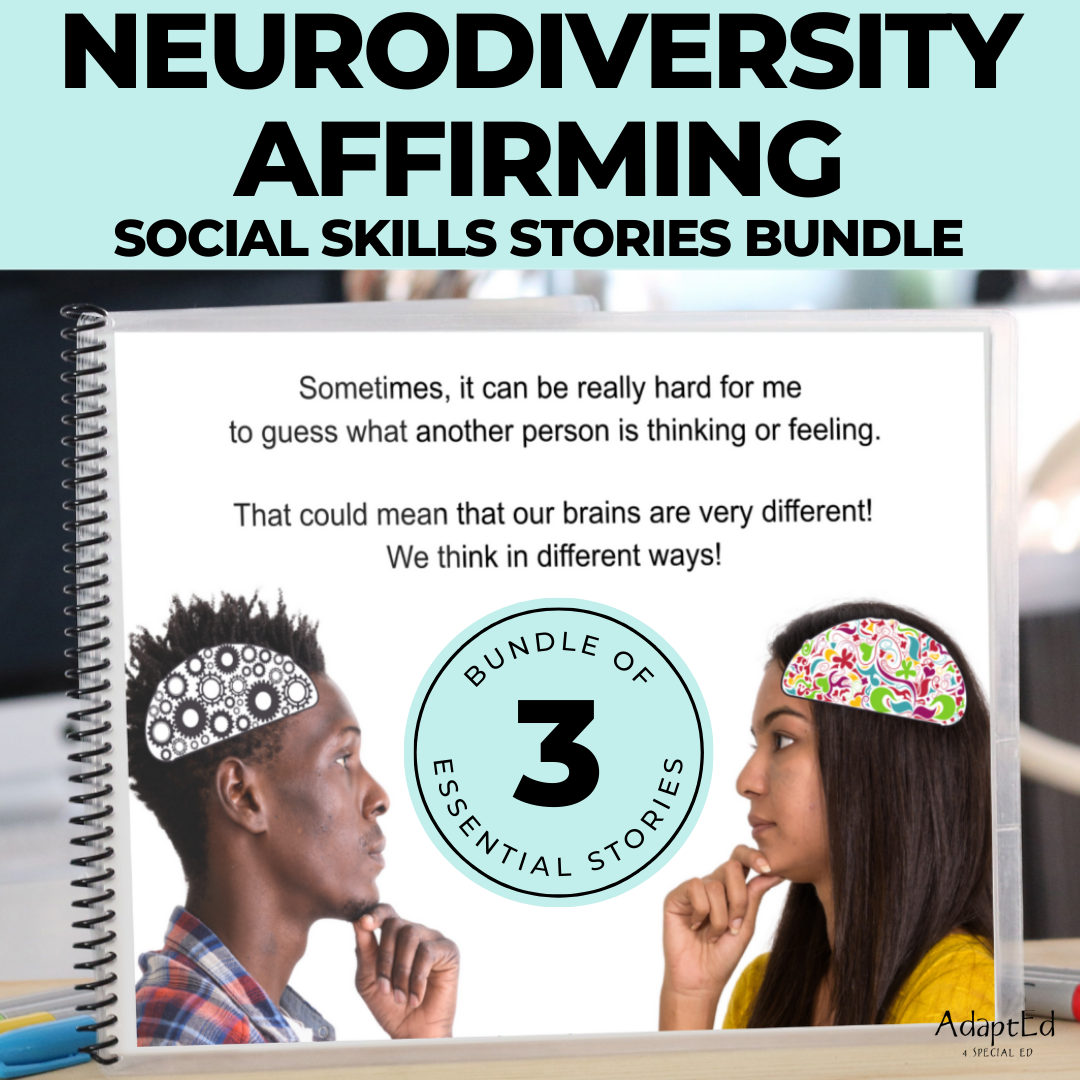
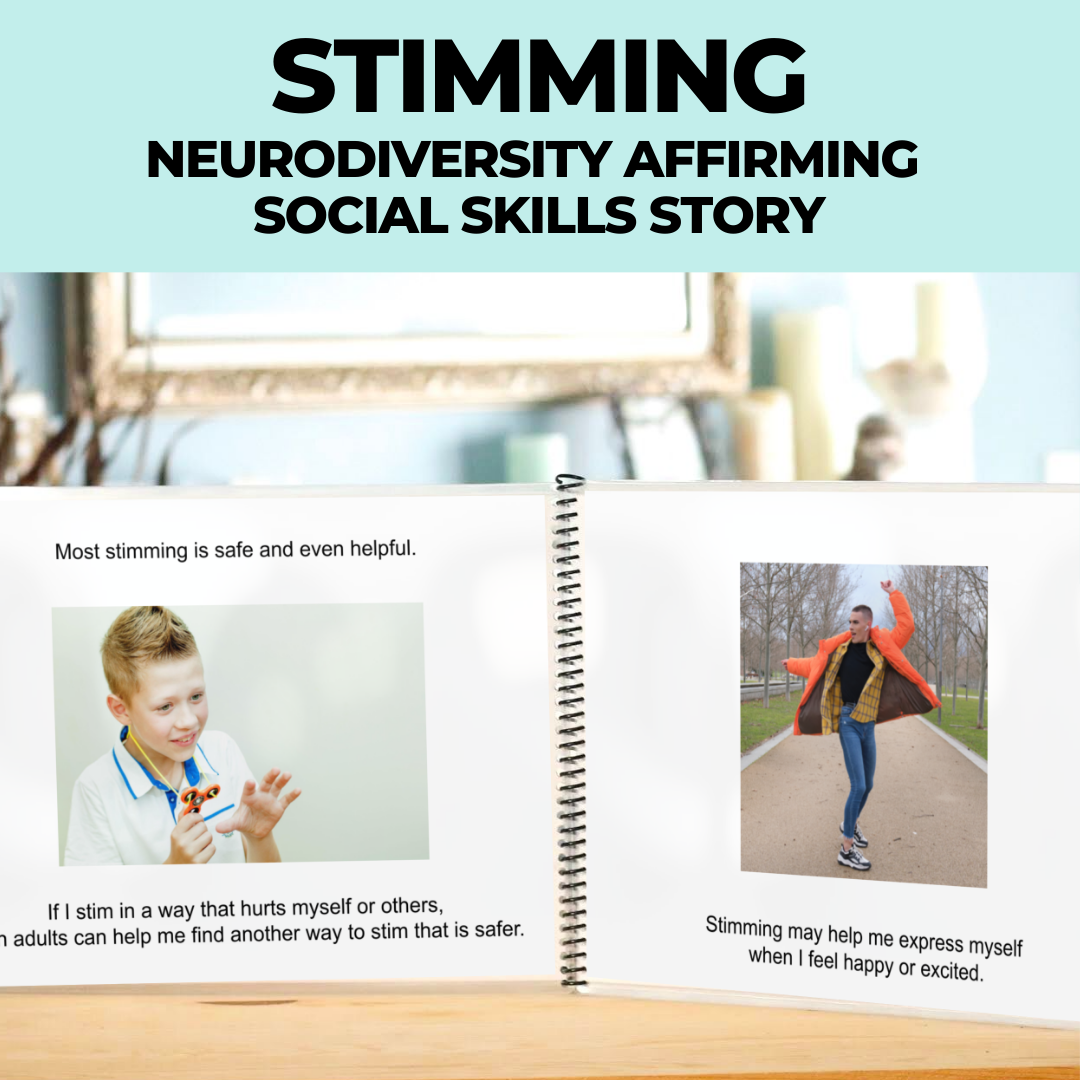
Neurodiversity-Affirming Social Stories | A Paired-Perspective Bundle for Kids
Introduce your child or students to essential social narratives in an affirming, respectful manner that acknowledges and celebrates neurodiversity. This specially curated bundle includes topics on:
I Stim & Stimming Feels Good: These narratives are a vibrant celebration of stimming. Through these pages, we unfold the joy and necessity of stimming, inviting neurotypical peers to step into a world where stimming is understood as a positive and essential aspect of being.
I Stim: An 11-page journey that honors the beauty and validity of stimming.
Stimming Feels Good: A 12-page exploration designed for neurotypical peers to discover the joyous world of stimming, promoting acceptance and understanding.
Empathetic Perspective Taking: Spanning 14 pages, this story revolutionizes the concept of perspective-taking.
No longer a one-way street, we champion a world where understanding is a shared dance, encouraging everyone to participate in mutual empathy and connection.
Perseveration, Celebrated:
For neurodivergent learners, a 16-page tribute to the deep, passionate interests that fuel them, offering insights into navigating the social world with confidence.
A 13-page guide for neurotypical peers, inviting them to marvel at the intense passions of neurodivergent friends, recognizing these focused interests as a profound form of intelligence.
Special Features:
Edit with Ease on Google Slides: Personalize your narratives, making every story resonate even more deeply with its readers by adding names or changing visuals.
Your Choice of Format: Whether you prefer the tactile feel of a printed book or the convenience of digital access, these stories adapt to fit your world.
This bundle isn’t just a collection of stories; it’s an invitation to walk a path of inclusion, empathy, and celebration. Perfect for families, educators, and therapists, it stands as a powerful tool in advocating for a world where every neurodivergent trait is not just accepted but embraced with joy.
Step into a future where diversity is not just recognized but cherished with our Empowering Neurodiversity Bundle.