
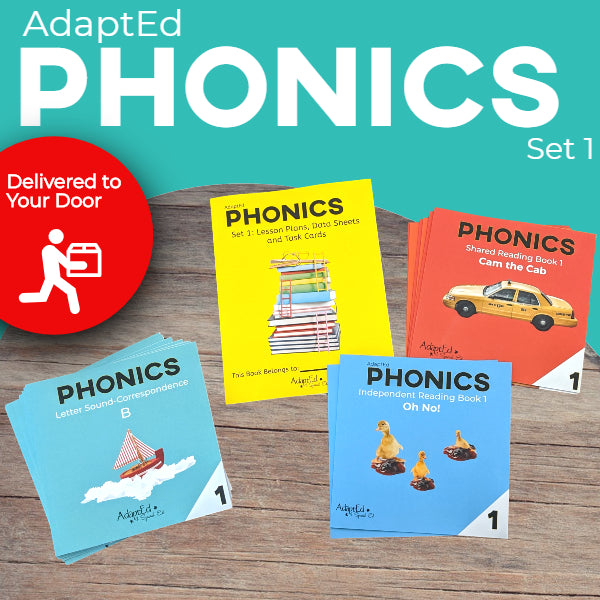
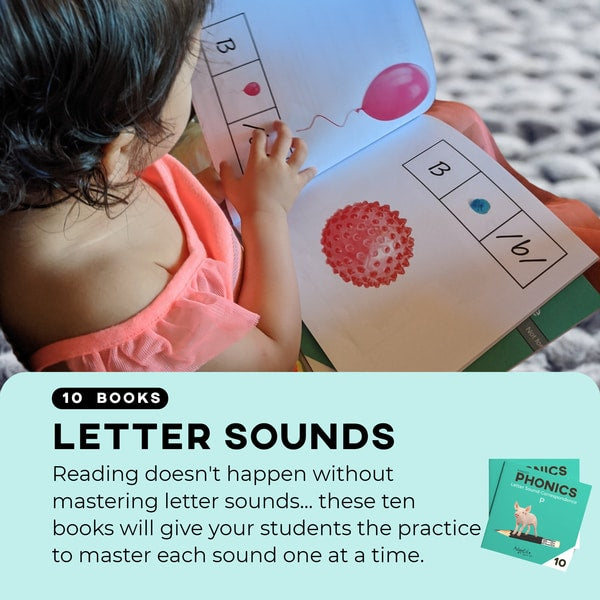
AdaptEd Phonics: Set 1 (Ships to You)
In only 10 minutes a day, you can teach a special learner how to READ!
Scroll down to learn more...
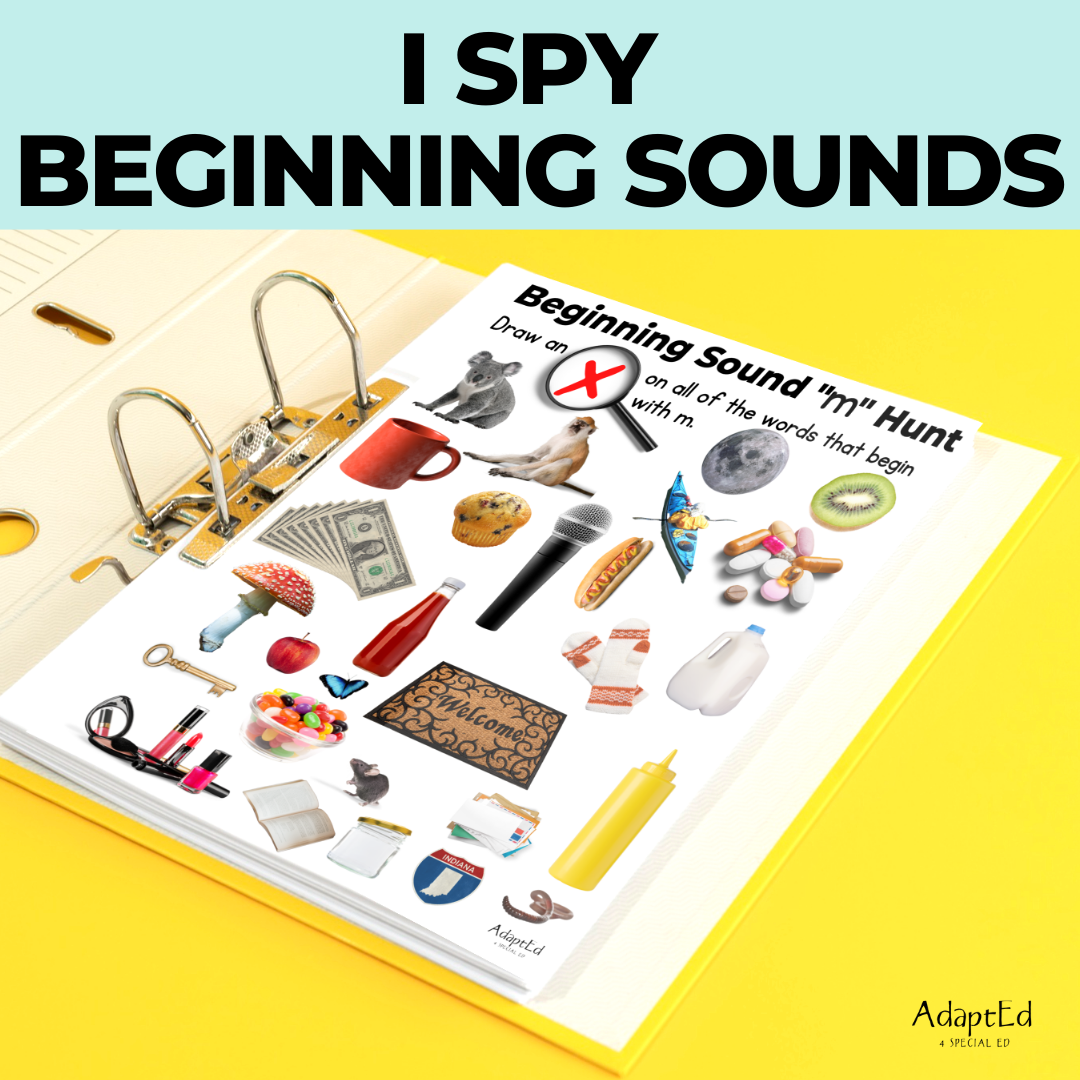
Beginning Sound I Spy Letter Sound Recognition
Is your child just starting to learn their letters and sounding out words? These I Spy Beginning Sounds mats are the perfect tool to help them gain confidence and practice letter-sound correspondence.
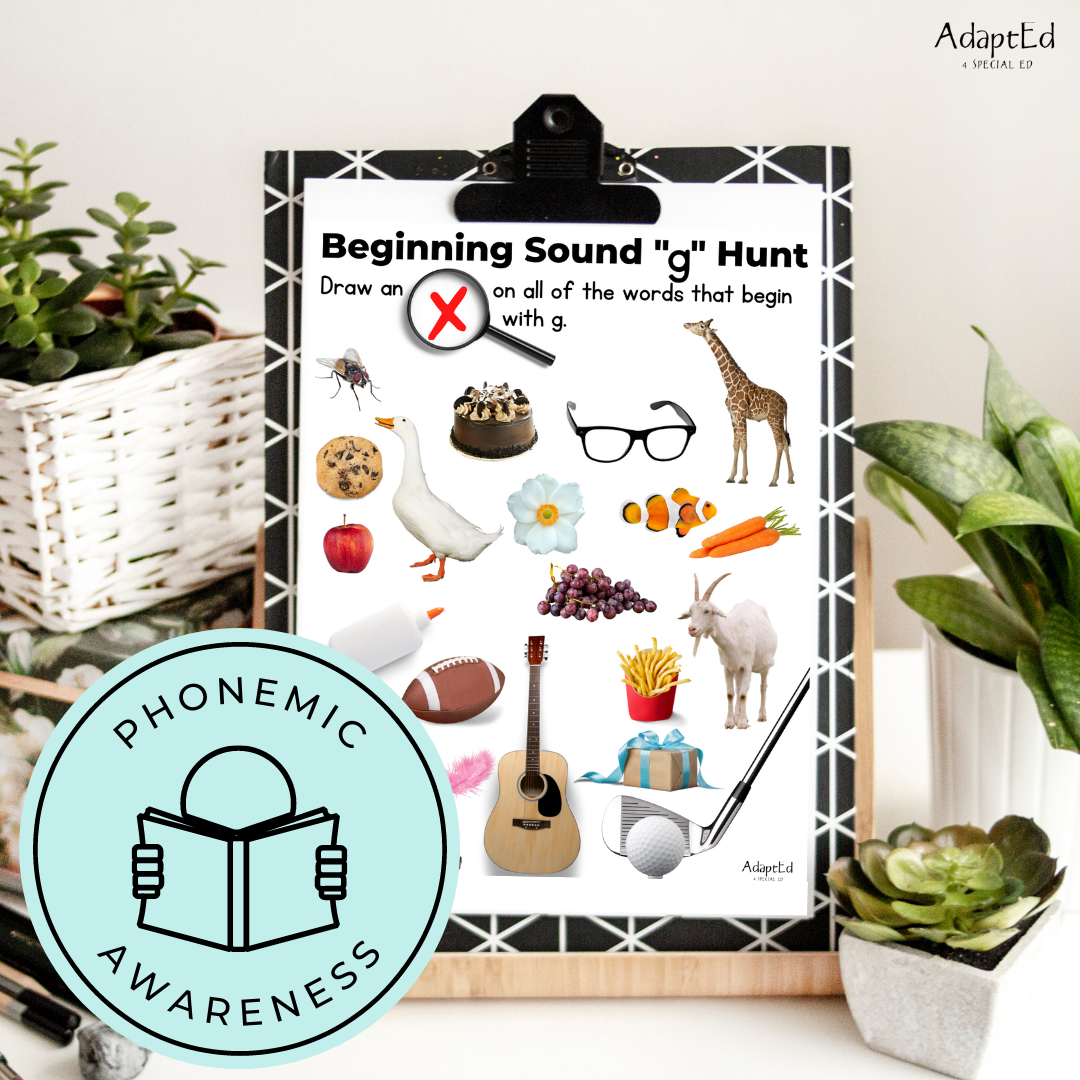
Each mat features real photos and corresponding letter sound to help your child make the connection between the objects and the sound it begins with.
You can use these mats in a variety of ways, including with manipulatives for a fine motor component, or laminated with dry erase markers, pompoms or playdough. The possibilities are endless!
This is a great way to build vocabulary and practice phonemic awareness.
Plus, it's NO PREP - just print and go!
25 I Spy Worksheets
This set is ideal to be used with:
Special Education
Beginning Readers
Struggling Readers
Pre-K to 1st Grade (RTI)
This is perfect for:
Literacy Centers Stations
Morning Work
Finished Bins or "I'm Finished" Work
Small Groups
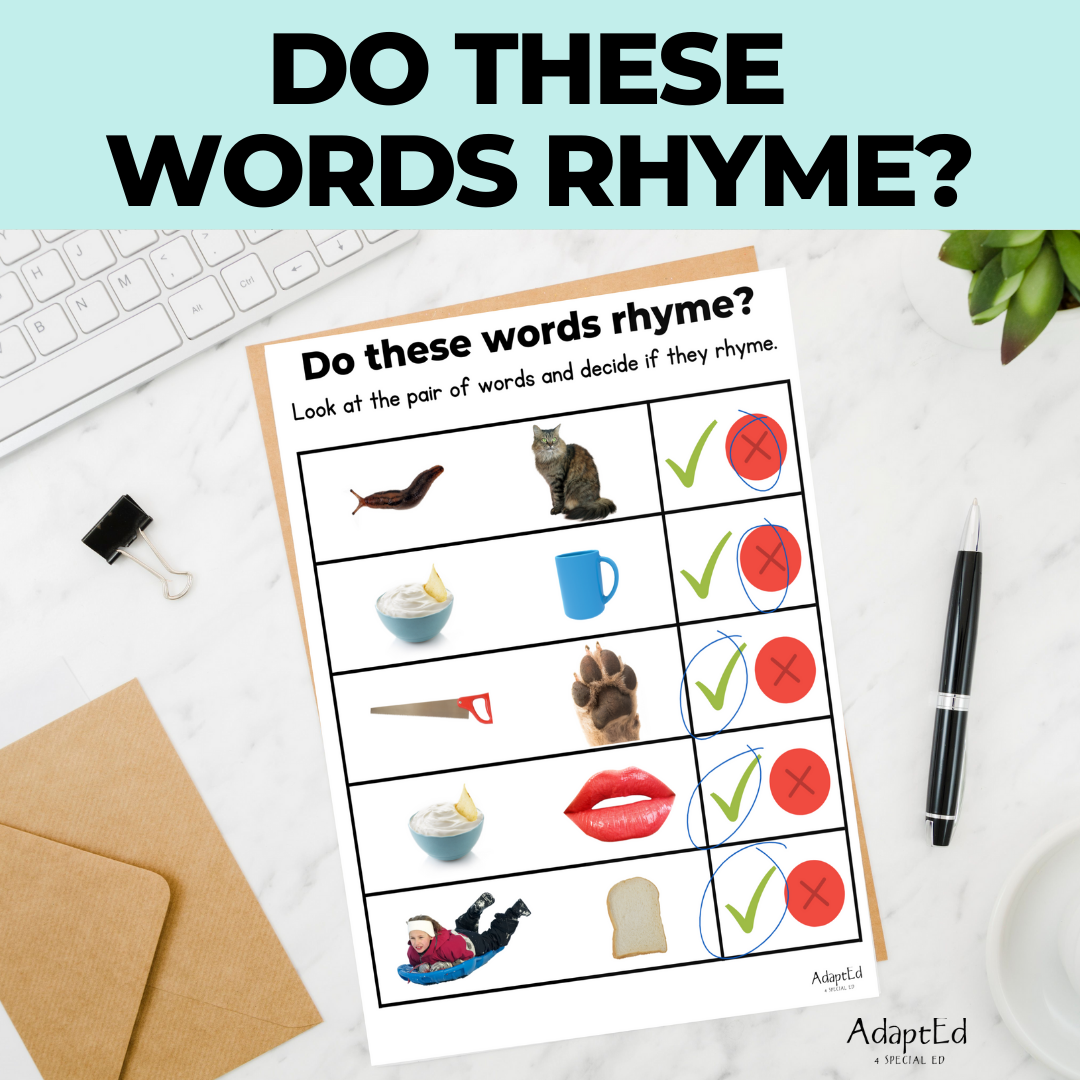
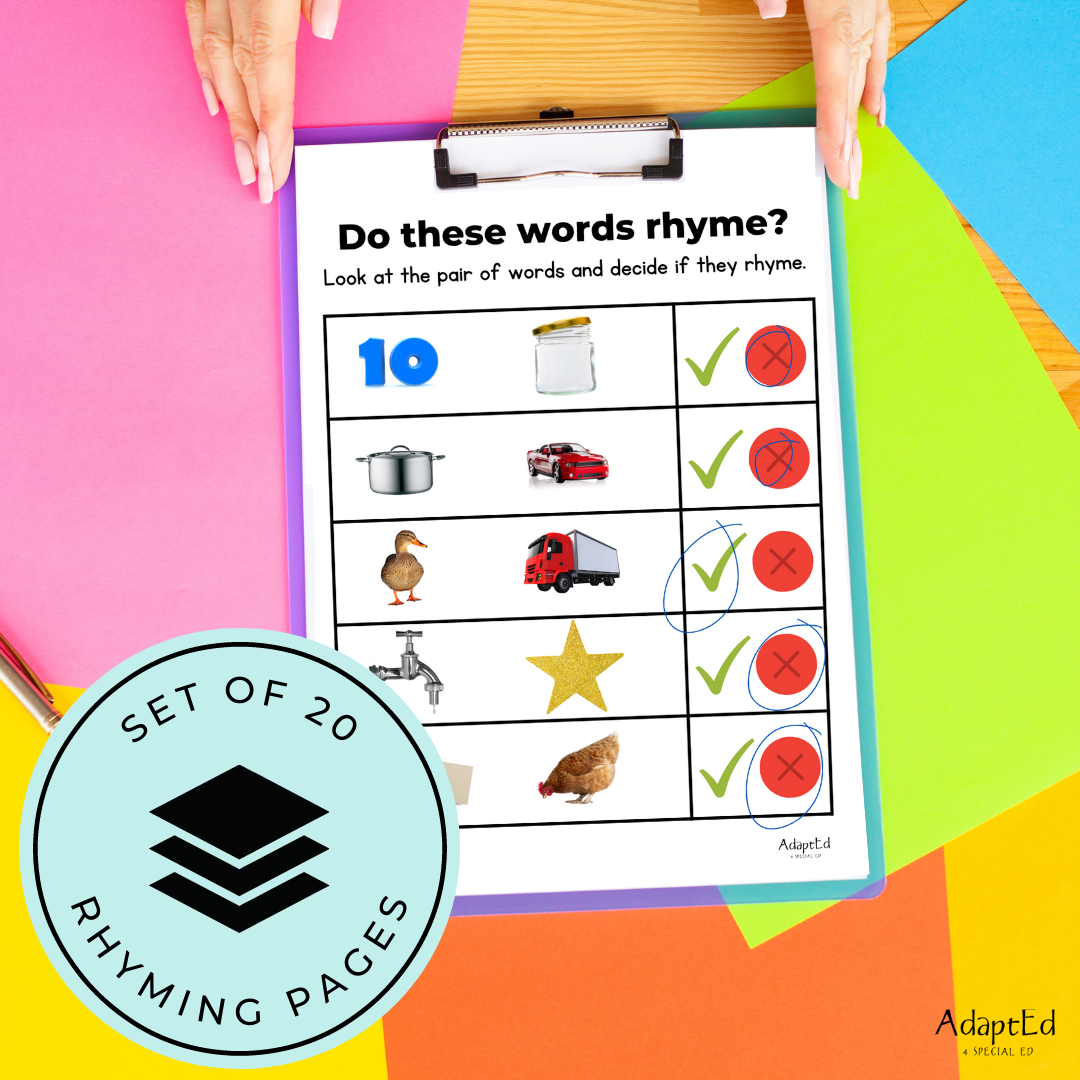
Do These Words Rhyme? Phonemic Awareness Activity
Looking for a fast, fun, and effective way to teach phonological/phonemic awareness skills? Look no further than AdaptEd's Do these words rhyme?
By identifying if the two words rhyme, students will develop an important skillset that will help them become better readers, spellers, and writers. This activity is perfect for Pre-K to 1st grade students, either in a classroom setting or at home.
20 worksheets / 100 pairs of rhyming words
This set is ideal to be used with:
Special Education
Beginning Readers
Struggling Readers
Pre-K to 1st Grade (RTI)
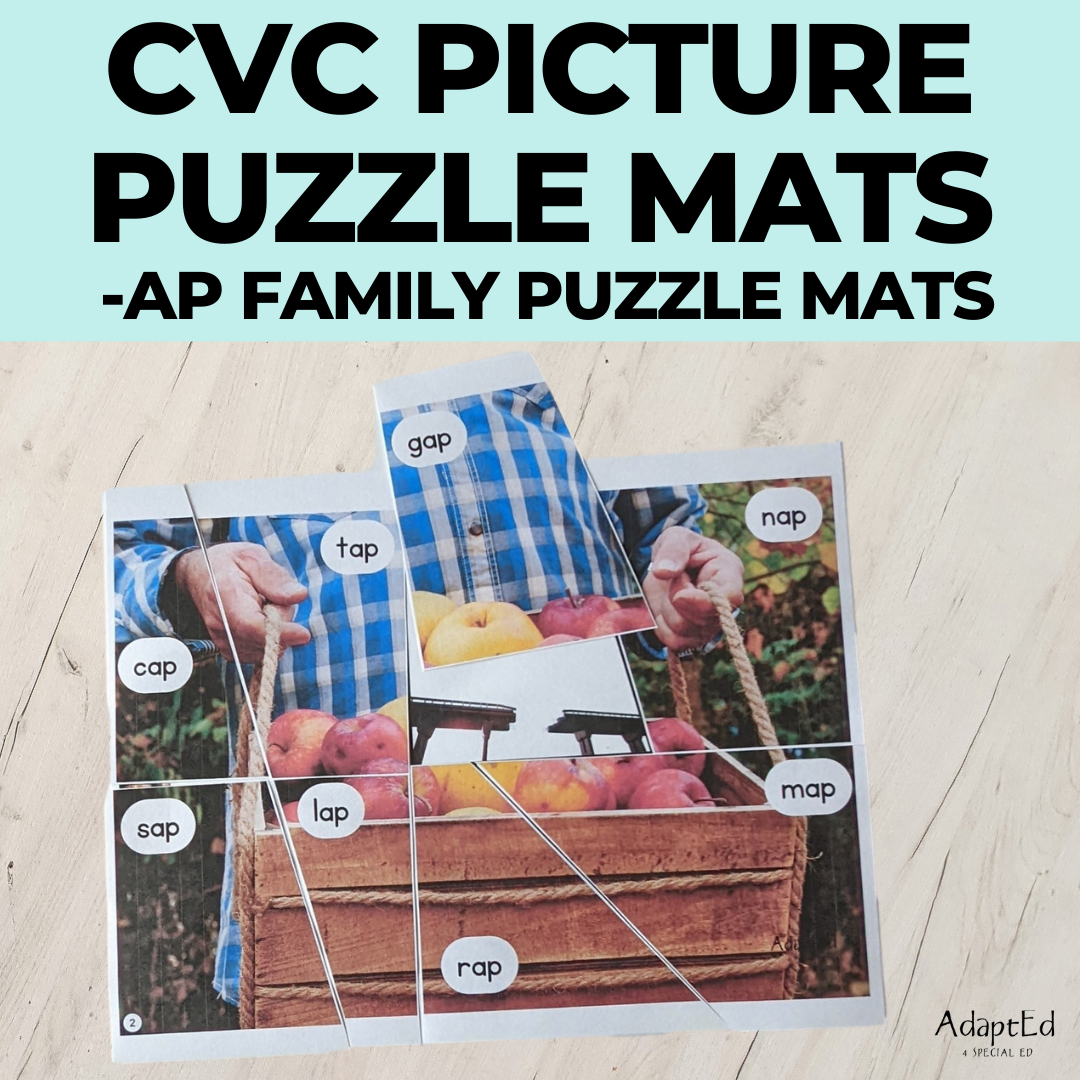
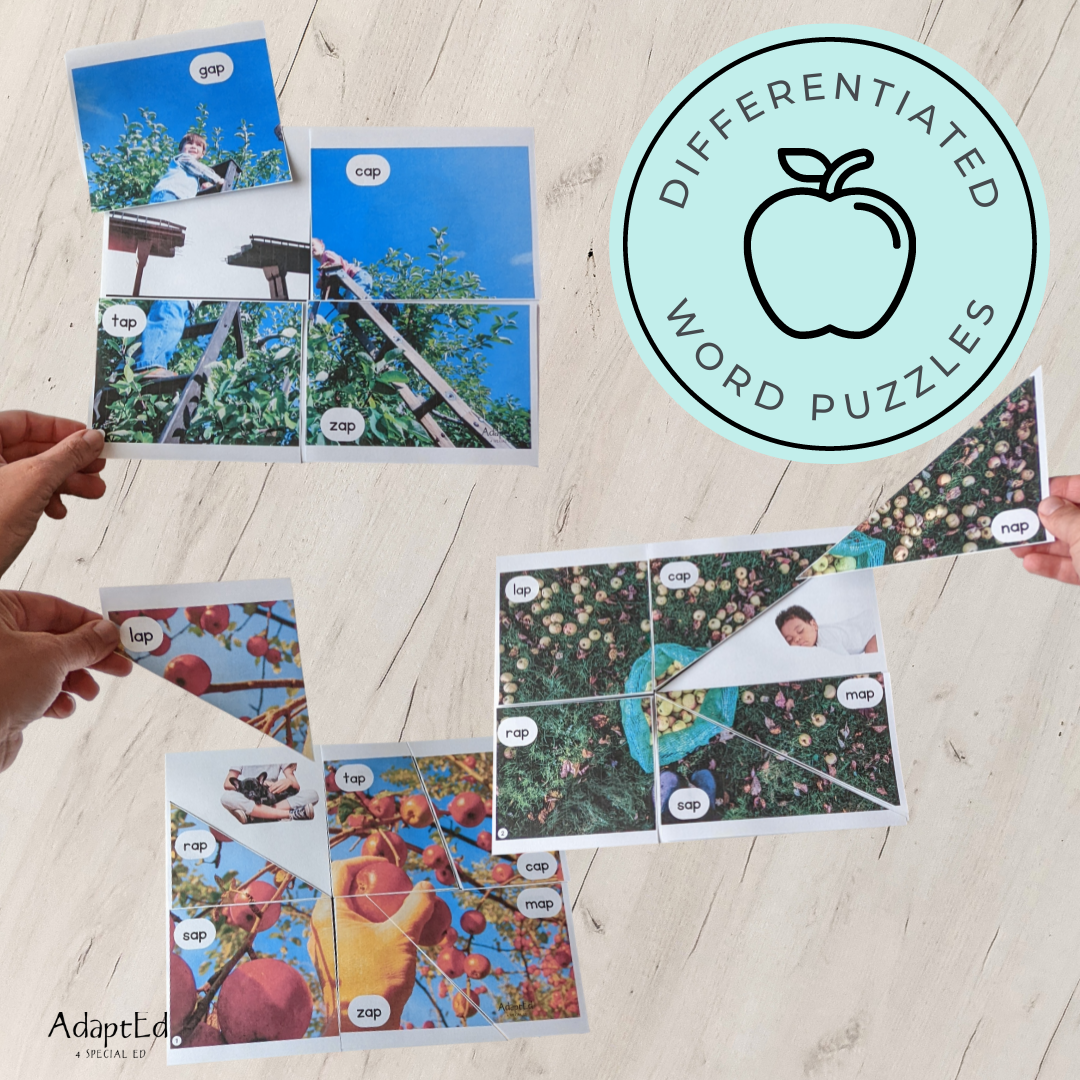
CVC Picture Puzzle Mats (-ap family words) Apple Themed
Keep your students engaged in the reading process with this fun and exciting new product.
The CVC Puzzles include 16 puzzles of -at family words.
This will keep things fresh and interesting for your students, while also providing repetition that is so important for learning.
Plus, who can resist built in differentiation?!
Each level includes 2 puzzles: puzzles are differentiated by number of pieces.
Puzzles range from 2-9 pieces.
All puzzles are real photographs and are age respectful of older and younger learners alike.
Word Slides
The slides helps provide the students with a visual prompt to blend the sounds together to make the word.
It is helpful to have students use their finger to travel down the slide while combining the sounds.
After they've done that the word is written at the bottom for them to read again.
This set includes 15 puzzles. All of the puzzles use a variety of the same 9 -ap family words.
Counting Syllables: Clap It Out
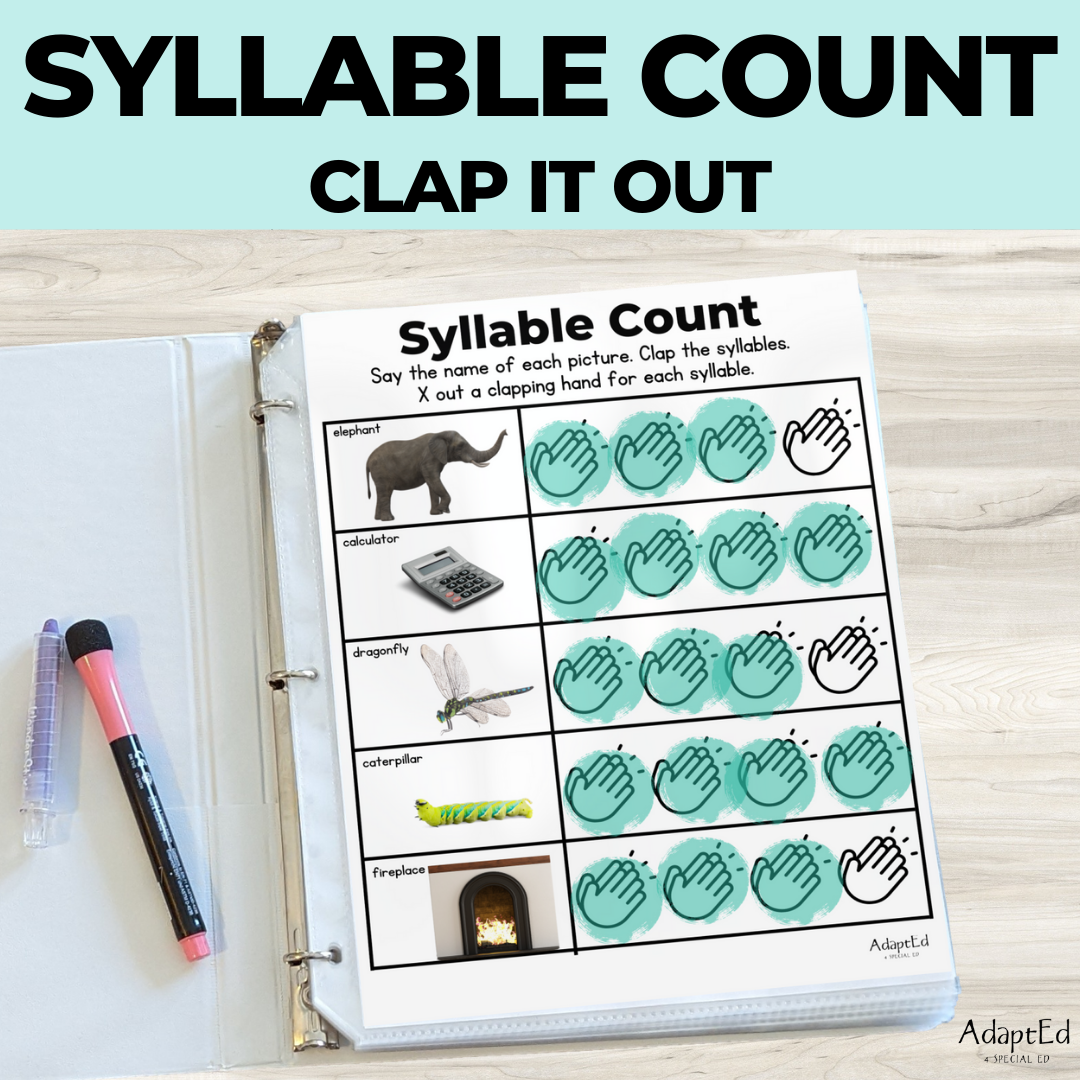
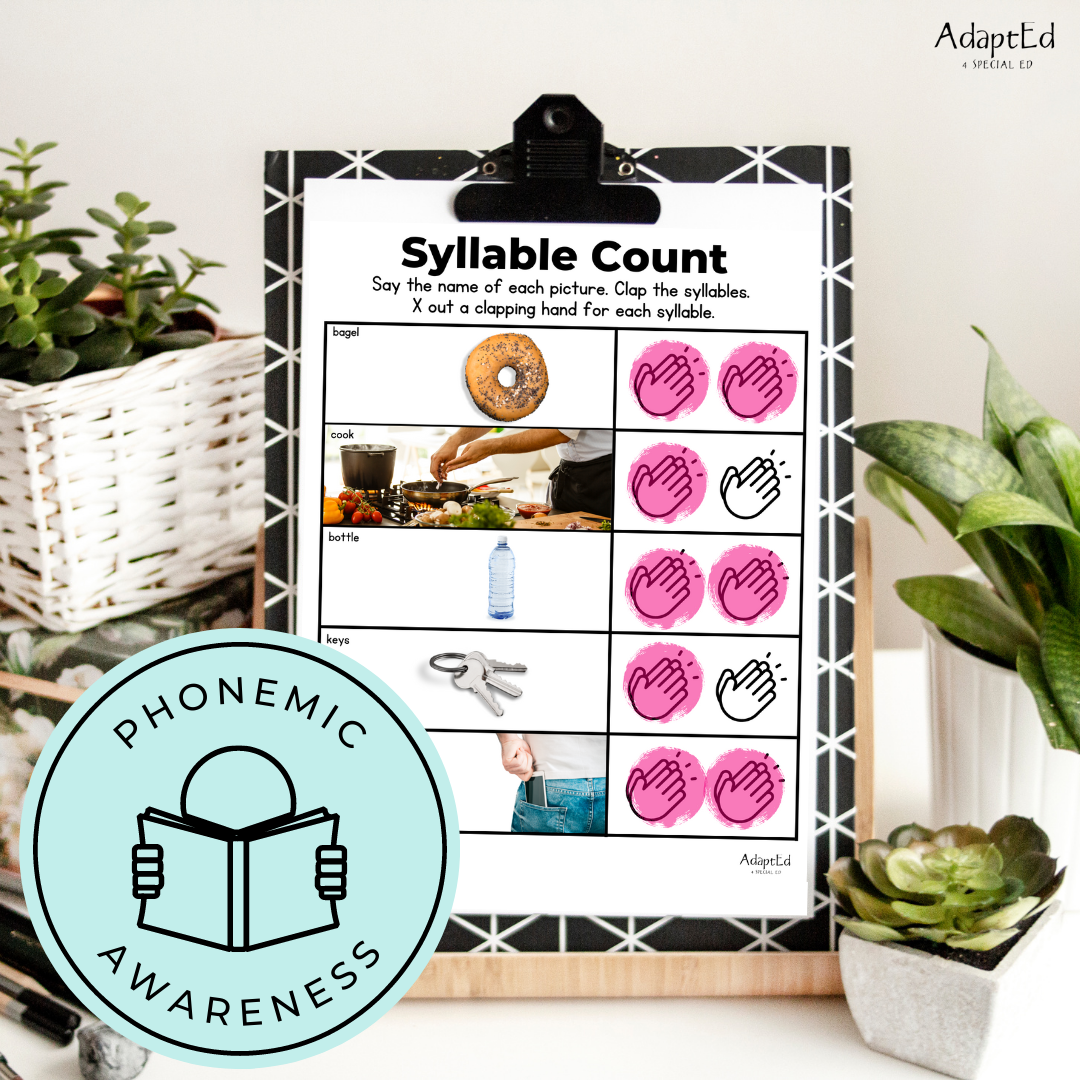
If you're looking for a fun, hands-on way to help your students master syllable and phonemic awareness skills, then you need AdaptEd’s Counting Syllables. With 175 different words ranging from 1 to 5 syllables, this activity is perfect for use in ELA centers, literacy centers, and workstations. Repetition with variety is key to success with this important skill, and AdaptEd provides plenty of both.
Plus, these Syllable Counting pages can be used over and over again - making them a great value for your classroom. So don't wait - get AdaptEd’s Counting Syllables today and see the difference it makes in your students' reading abilities!
✅ SAVE TIME! - The syllable counting pages are easy to prep and can be used over and over again.
✅ EASY TO DIFFERENTIATE! - Ranges from 2-5 syllable hand icons on the page. 1-5 syllables per word.
✅ KEEPS KIDS ENGAGED! This is a fun and motivating way to teach kids how to count syllables and practice phonological awareness.
✅ EASY TO USE!
Identify the picture
Determine the number of syllables (claps)
Draw an X on the clapping hands icon for each syllable in the word.
✅ VERSATILE!
This versatile product can be used as an independent activity, in small groups, or with the whole class. Just have the kids identify the picture, determine the number of syllables, and draw an X on the clapping hands icon for each syllable.
You can also bind the pages into a phonemic awareness practice workbook. Either way, your students are sure to love this fun and motivating way to learn!
Here's what you'll get:
35 syllable counting pages
These rhyming word games can be used simply as matching games for centers or the cards can be placed face down and they can be used as concentration games.
The concentration games will require students to focus in order to match the appropriate word pairs. I have included two sets of cards. The first set includes pictures with words that rhyme. The second set of cards has only pictures. These can be used for an advanced level of game play or for a student who is struggling to find the rhyming words.
Rhyme Rhyming Phonemic Awareness Activity File Folders Task Cards
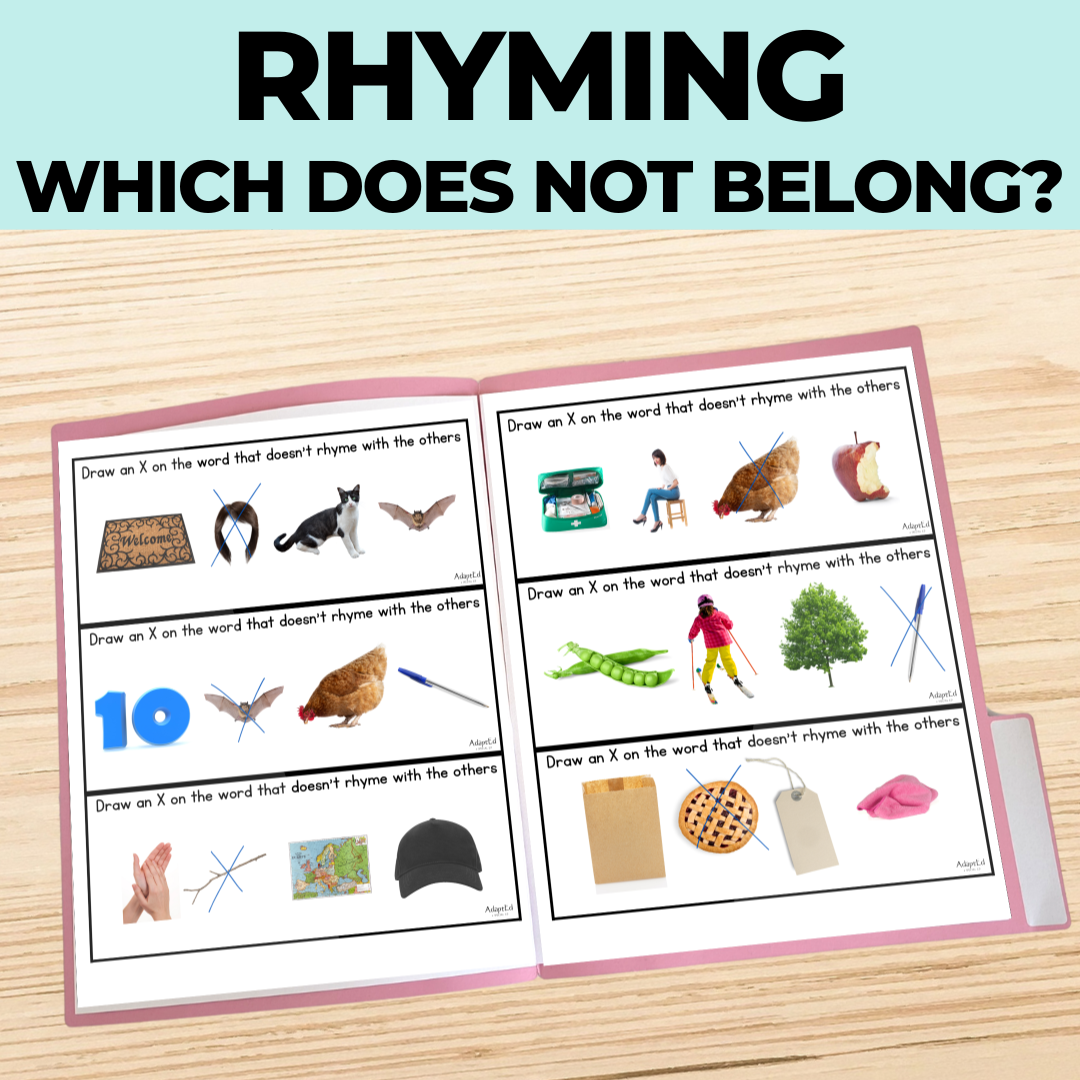
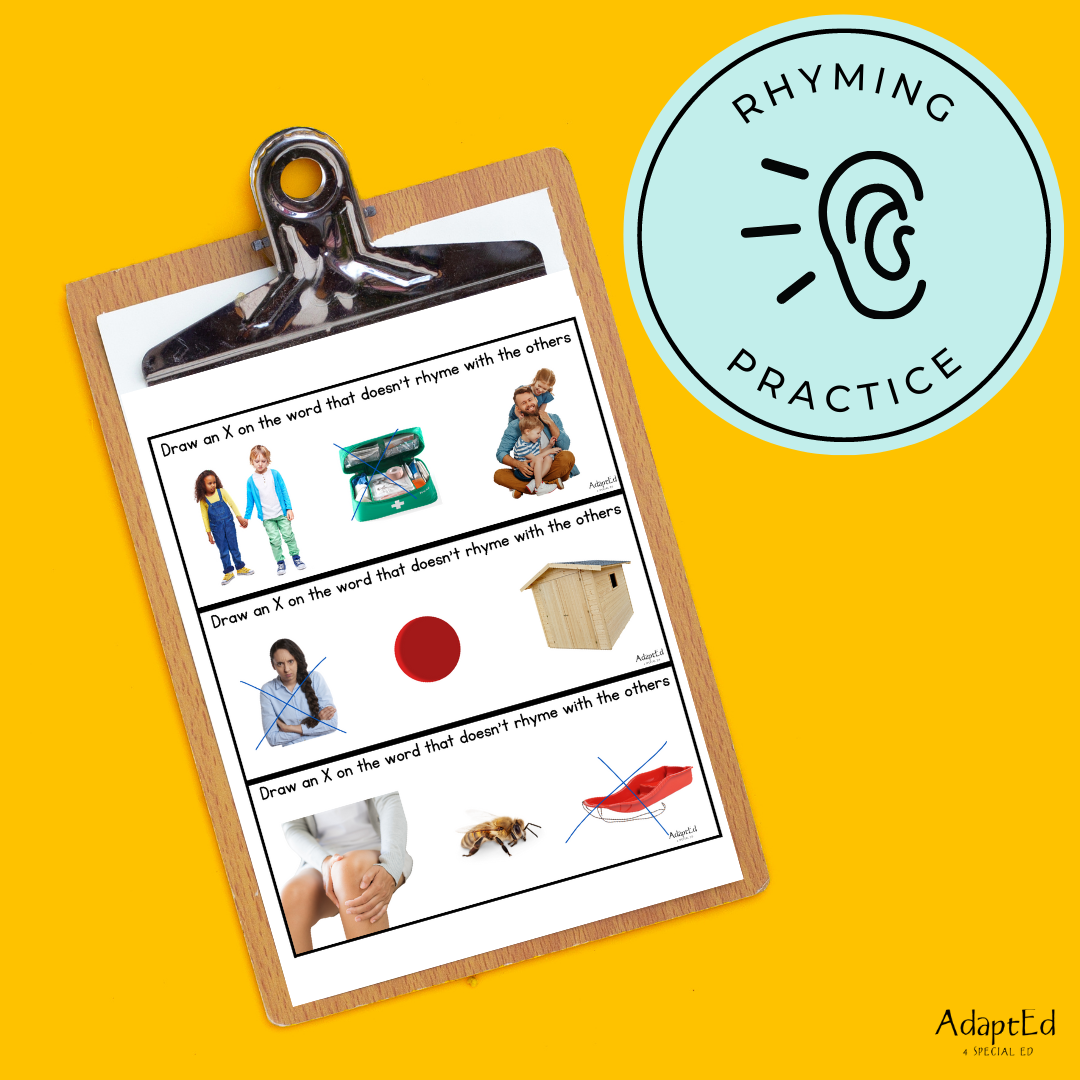
Looking for a fast, fun, and effective way to teach phonological/phonemic awareness skills? Look no further than AdaptEd's Which Word Doesn't Belong?
By identifying which word doesn't rhyme with the others, students will develop an important skillset that will help them become better readers, spellers, and writers. This activity is perfect for Pre-K to 1st grade students, either in a classroom setting or at home.
20 worksheets / 60 task cards
This set is ideal to be used with:
Special Education
Beginning Readers
Struggling Readers
Pre-K to 1st Grade (RTI)
00
DAYS 00
HRS 00
MIN 00
SEC
DAYS 00
HRS 00
MIN 00
SEC
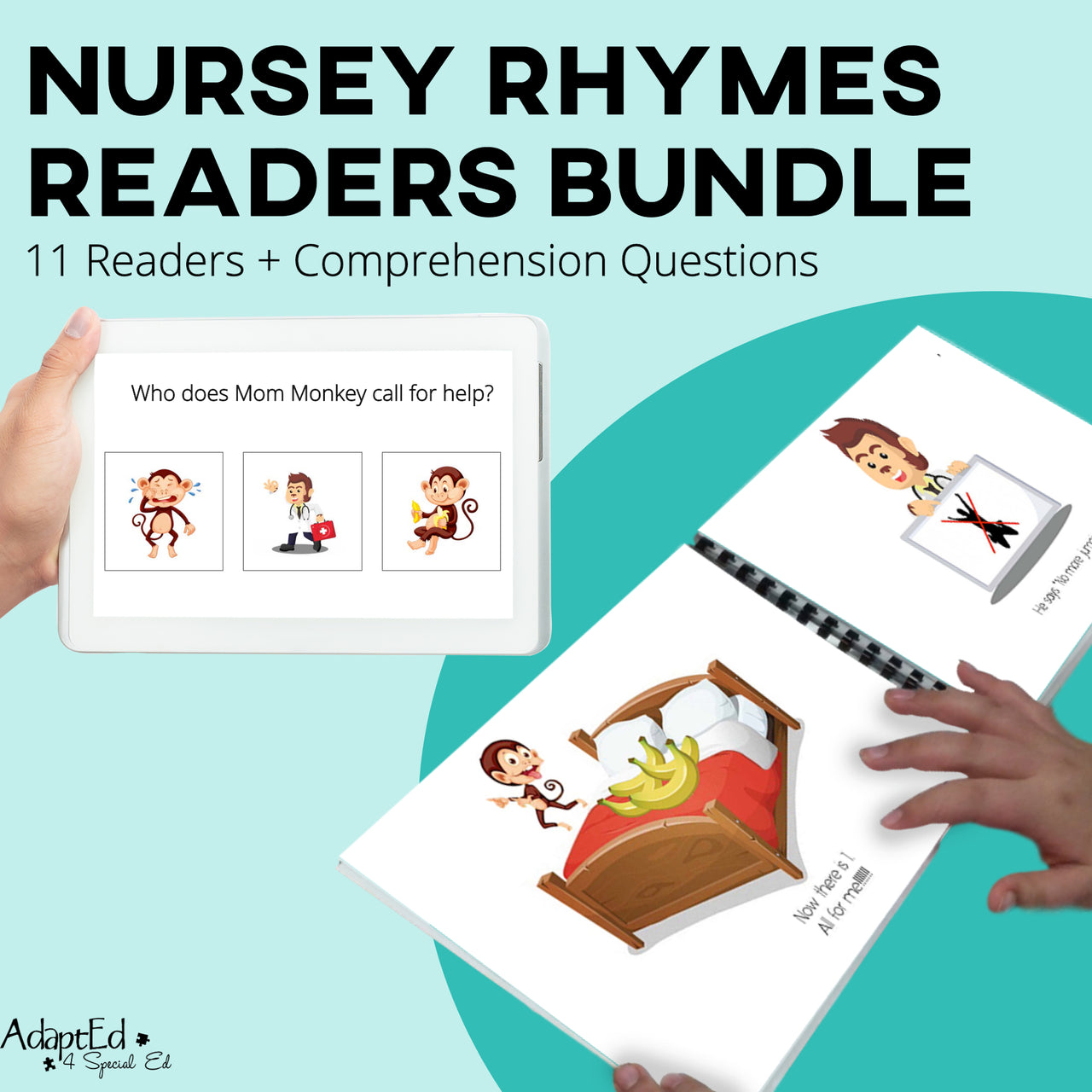
Nursery Rhymes Emergent Readers + Comprehension Bundle (Printable PDF)
Introducing the Nursery Rhymes Emergent Reader Bundle - a selection of classic rhymes rewritten using core vocabulary, designed to help students build language, reading, and reading comprehension skills.
This bundle includes versions of 11 popular nursery rhymes, each adapted to make use of sight words and other high-frequency words.
Reading these familiar rhymes will help to boost confidence and expand your students' reading abilities. So let's get started with some classic fun that helps young readers grow!
[ P R O D U C T • I N C L U D E S ]
22 Emergent Readers
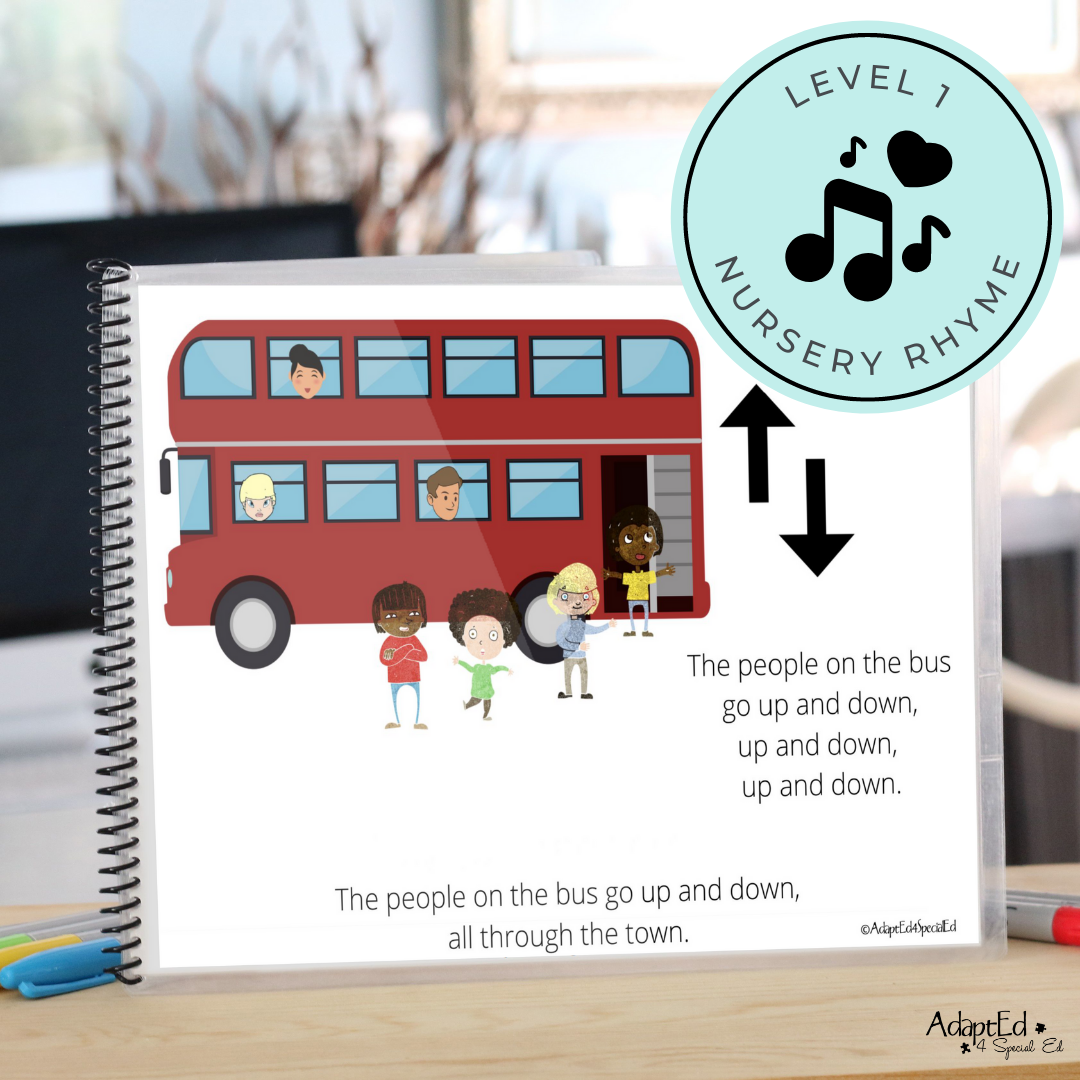
Level 1: Nursery Rhyme Song Reader
Level 2: Nursery Rhyme Core Word (aka sight words) version
Reading Comprehension Accompaniment
Visuals for Characters
Visuals for Settings
Story Event Sequencing Task
Visual Comprehension Questions
Nursery Rhymes:
Mary had a Little Lamb
The Wheels on the Bus
Jack and Jill
The Itsy Bitsy Spider
Baa Baa Black Sheep
Humpty Dumpty
The Five Little Ducks
On Top of Spaghetti
5 Little Monkeys
Sing a Song of Six Pence
Old MacDonald
[ R E C O M M E N D A T I O N S ]
Use on your iPad/ tablet to save on printing costs.
Project the book for the entire class to see, and avoid printing anything.
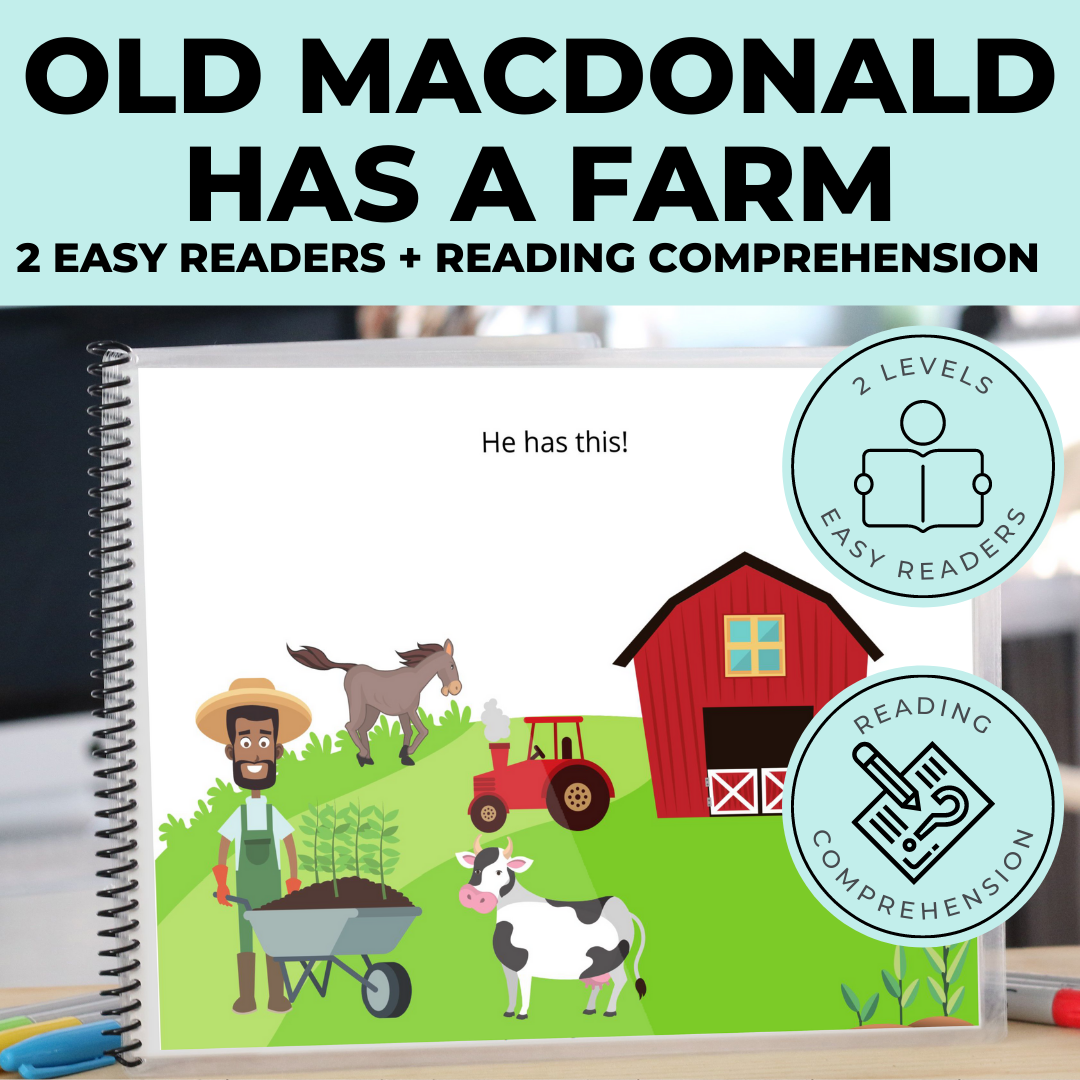
Old MacDonald Nursery Rhyme Emergent Reader + Reading Comprehension (Printable PDF)
Introducing the Old MacDonald Had a Farm Rhyme Emergent Reader + Reading Comprehension! This reader is adapted from classic nursery rhymes, rewritten with core vocabulary (aka sight words) for easier reading.
The simplified language makes it perfect for students just starting to build their reading skills. Plus, the included reading comprehension questions help to further develop their understanding of the story.
[ P R O D U C T • I N C L U D E S ]
Emergent Readers
Emergent Reader of Old MacDonald Had a Farm
Old MacDonald Had a Farm Nursery Rhyme Song Version
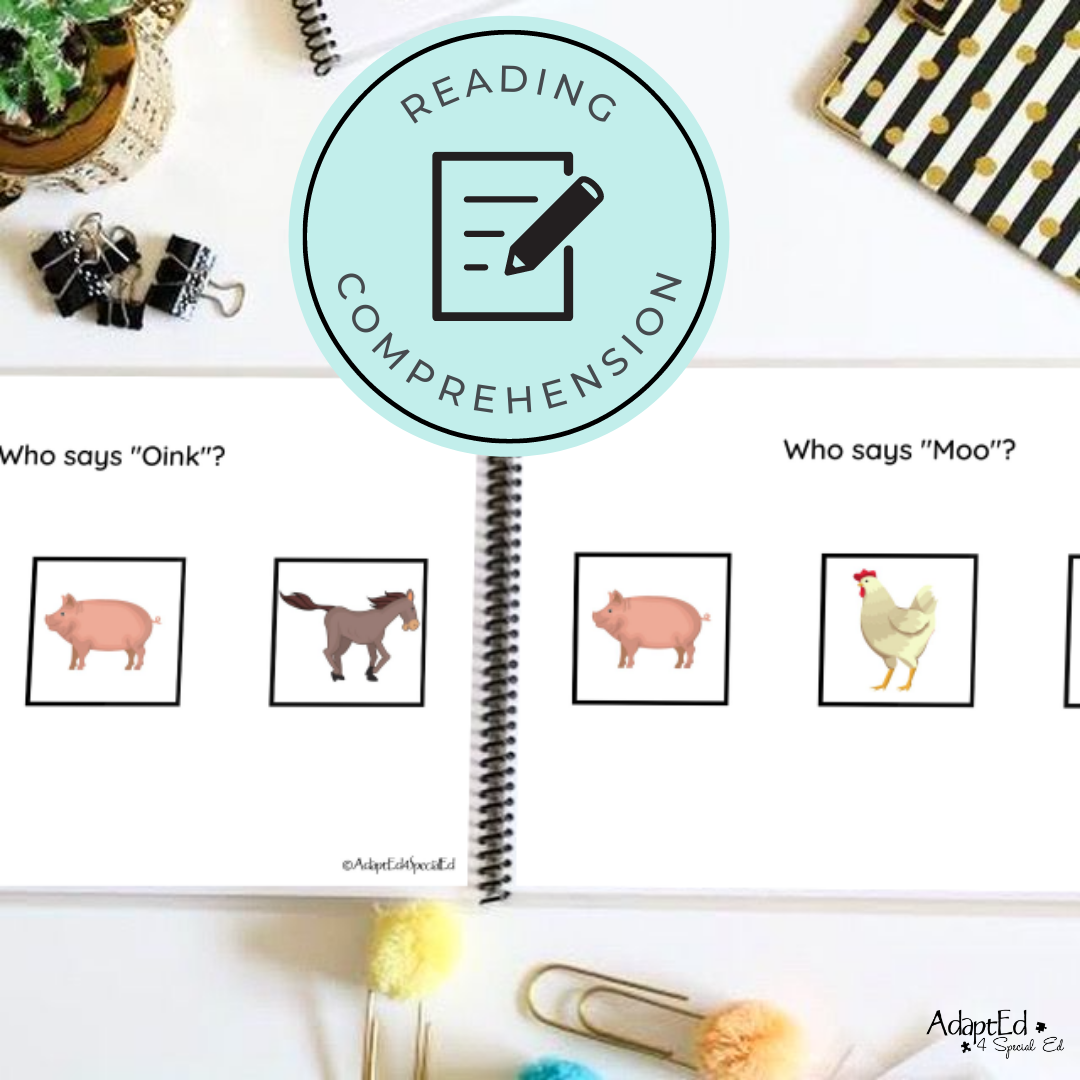
Reading Comprehension Accompaniment
Visuals for Characters
Visuals for Settings
An Event Sequencing Task
Visual Comprehension Questions
[ R E C O M M E N D A T I O N S ]
Use on your iPad/ tablet to save on printing costs.
Project the book for the entire class to see, and avoid printing anything.
P.S. If you like this book you might want to check out our Fairy Tale bundle. Get 30% off when you purchase the full set.
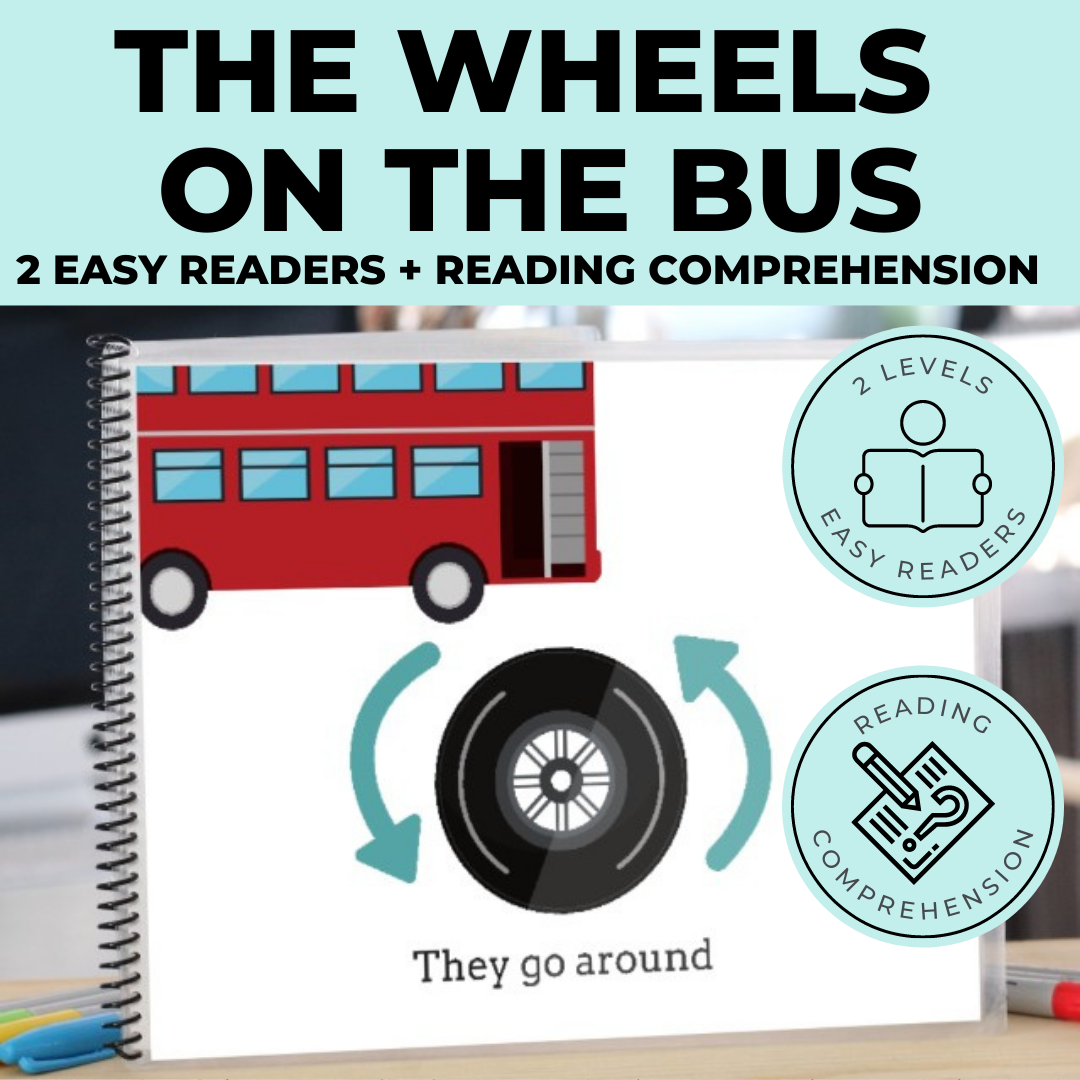
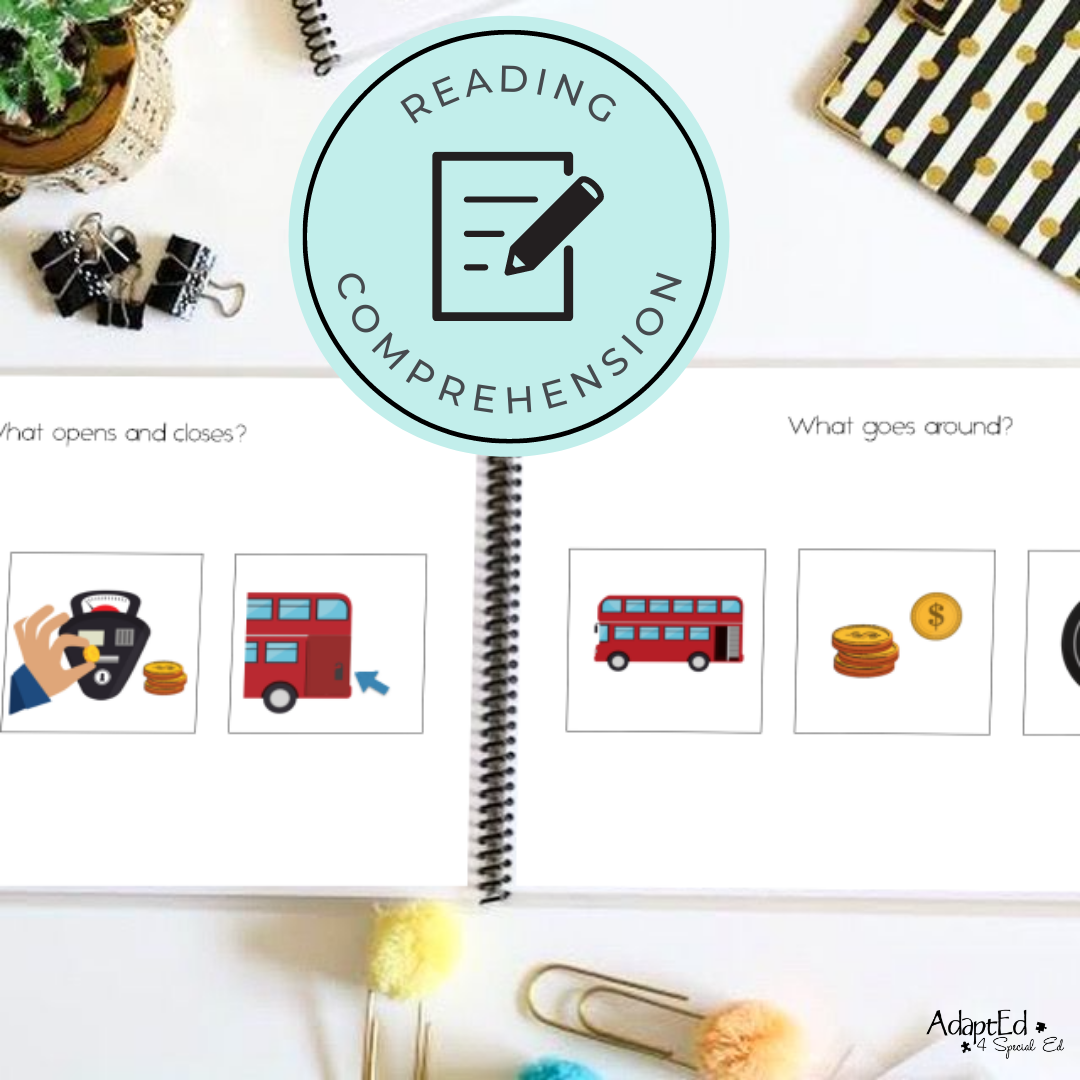
The Wheels on the Bus Nursery Rhyme Emergent Reader + Reading Comprehension (Printable PDF)
Introducing the The Wheels on the Bus Rhyme Emergent Reader + Reading Comprehension! This reader is adapted from classic nursery rhymes, rewritten with core vocabulary (aka sight words) for easier reading.
The simplified language makes it perfect for students just starting to build their reading skills. Plus, the included reading comprehension questions help to further develop their understanding of the story.
[ P R O D U C T • I N C L U D E S ]
Emergent Readers
Emergent Reader of The Wheels on the Bus
The Wheels on the Bus Nursery Rhyme Song Version
Reading Comprehension Accompaniment
Visuals for Characters
Visuals for Settings
An Event Sequencing Task
Visual Comprehension Questions
[ R E C O M M E N D A T I O N S ]
Use on your iPad/ tablet to save on printing costs.
Project the book for the entire class to see, and avoid printing anything.
P.S. If you like this book you might want to check out our Fairy Tale bundle. Get 30% off when you purchase the full set.
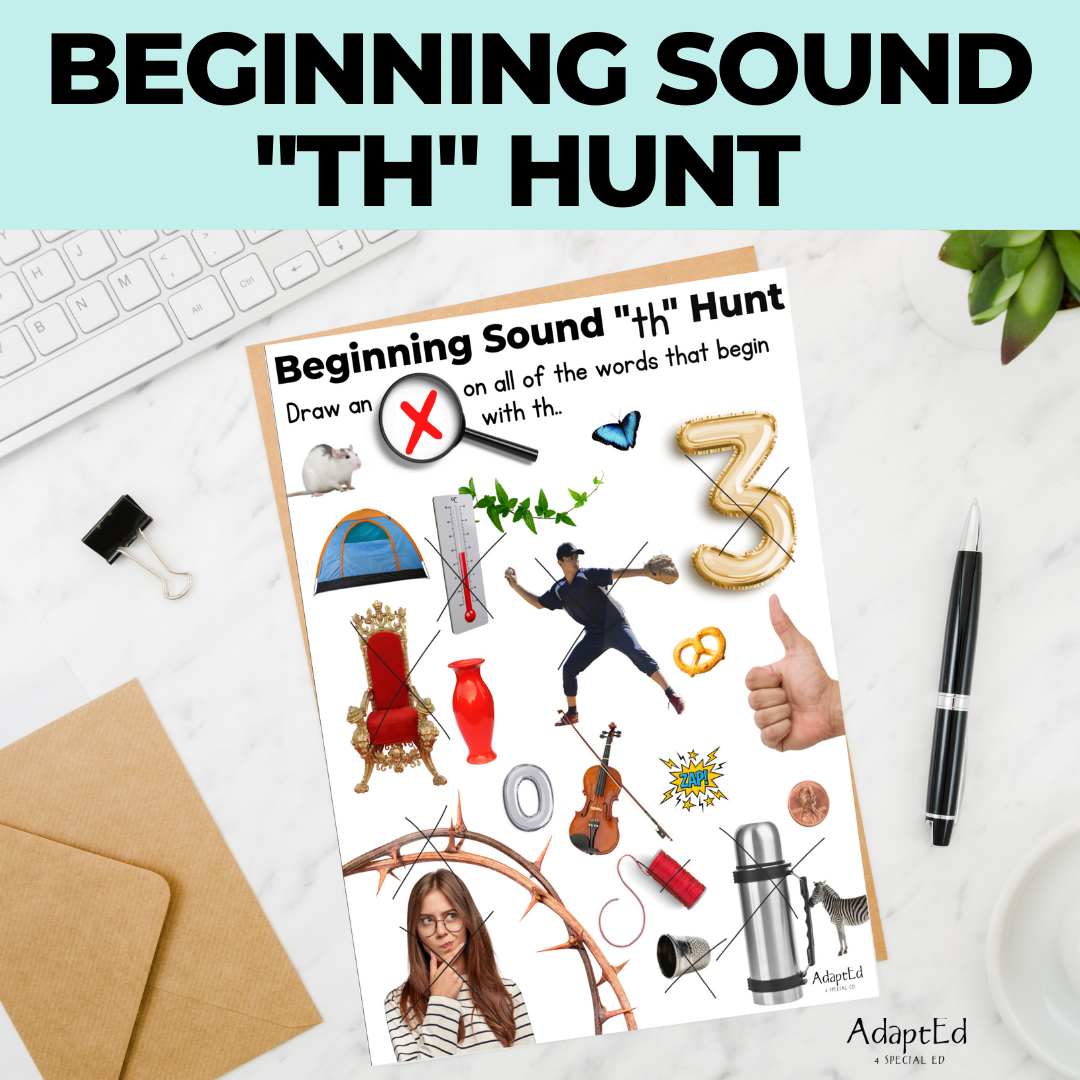
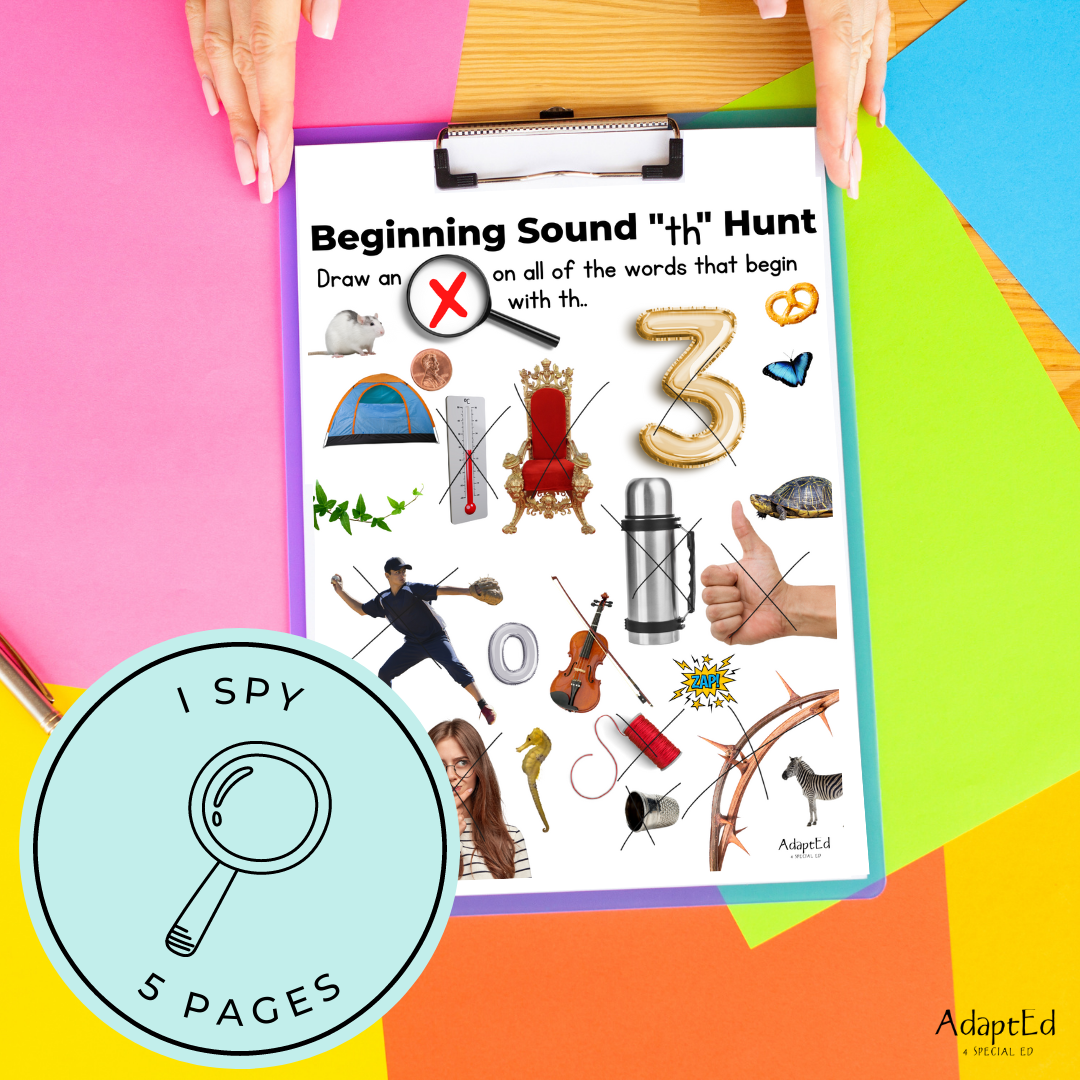
Digraph Beginning Sounds I Spy "Th"
Looking for a fun way to help your students practice identifying the "Th" sound? This Beginning Sound I Spy Hunt "Th" activity is perfect!
Students mark the pictures that begin with the sound, and there are 5 different worksheets to choose from to provide plenty of repetition with variety.
This is a great way to build vocabulary and practice phonemic awareness.
Plus, it's NO PREP - just print and go!
5 I Spy Worksheets
This set is ideal to be used with:
Special Education
Beginning Readers
Struggling Readers
Pre-K to 1st Grade (RTI)
This is perfect for:
Literacy Centers Stations
Morning Work
Finished Bins or "I'm Finished" Work
Small Groups
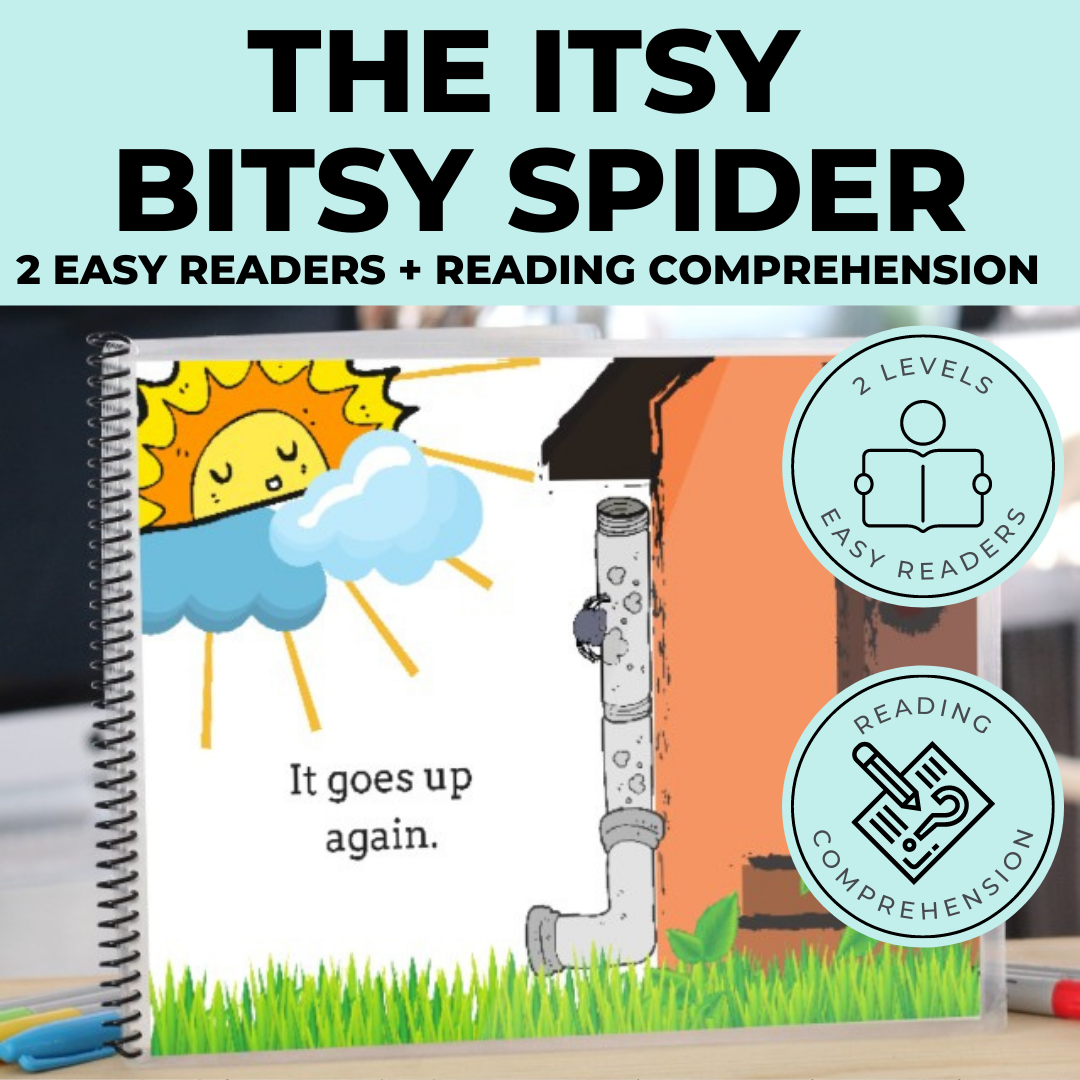
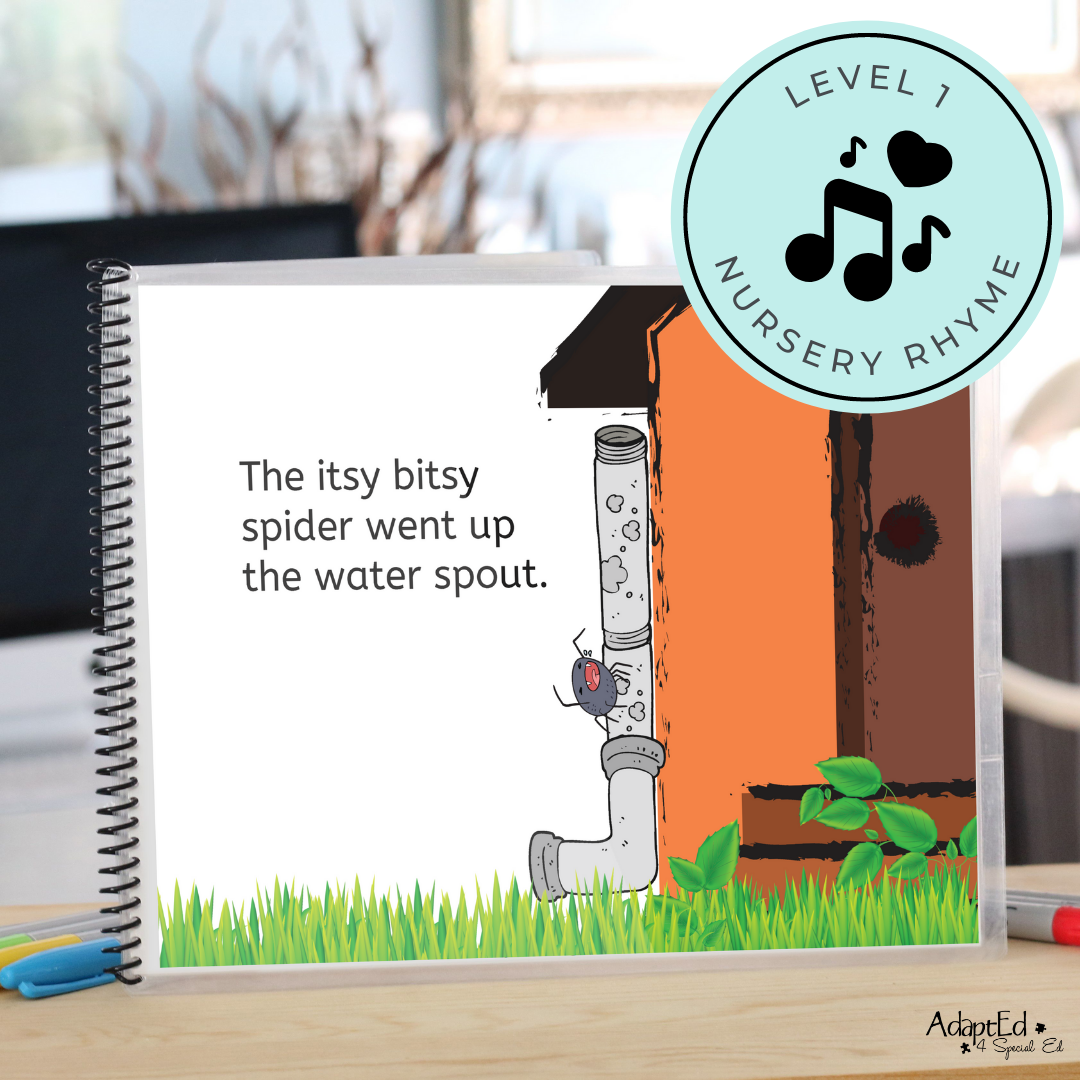
Itsy Bitsy Spider Nursery Rhyme Story + Reading Comprehension (Printable PDF)
Introducing the The Itsy Bitsy Spider Rhyme Emergent Reader + Reading Comprehension! This reader is adapted from classic nursery rhymes, rewritten with core vocabulary (aka sight words) for easier reading.
The simplified language makes it perfect for students just starting to build their reading skills. Plus, the included reading comprehension questions help to further develop their understanding of the story.
Emergent Readers
Emergent Reader of The Itsy Bitsy Spider
The Itsy Bitsy Spider Nursery Rhyme Song Version
Reading Comprehension Accompaniment
Visuals for Characters
Visuals for Settings
An Event Sequencing Task
Visual Comprehension Questions
[ R E C O M M E N D A T I O N S ]
Use on your iPad/ tablet to save on printing costs.
Project the book for the entire class to see, and avoid printing anything.
Enjoying this? You'll love our complete nursery rhyme bundle! It's packed with more sensory-rich stories for endless fun and learning. Don't wait, upgrade your storytelling experience now! Click here to explore the full bundle.
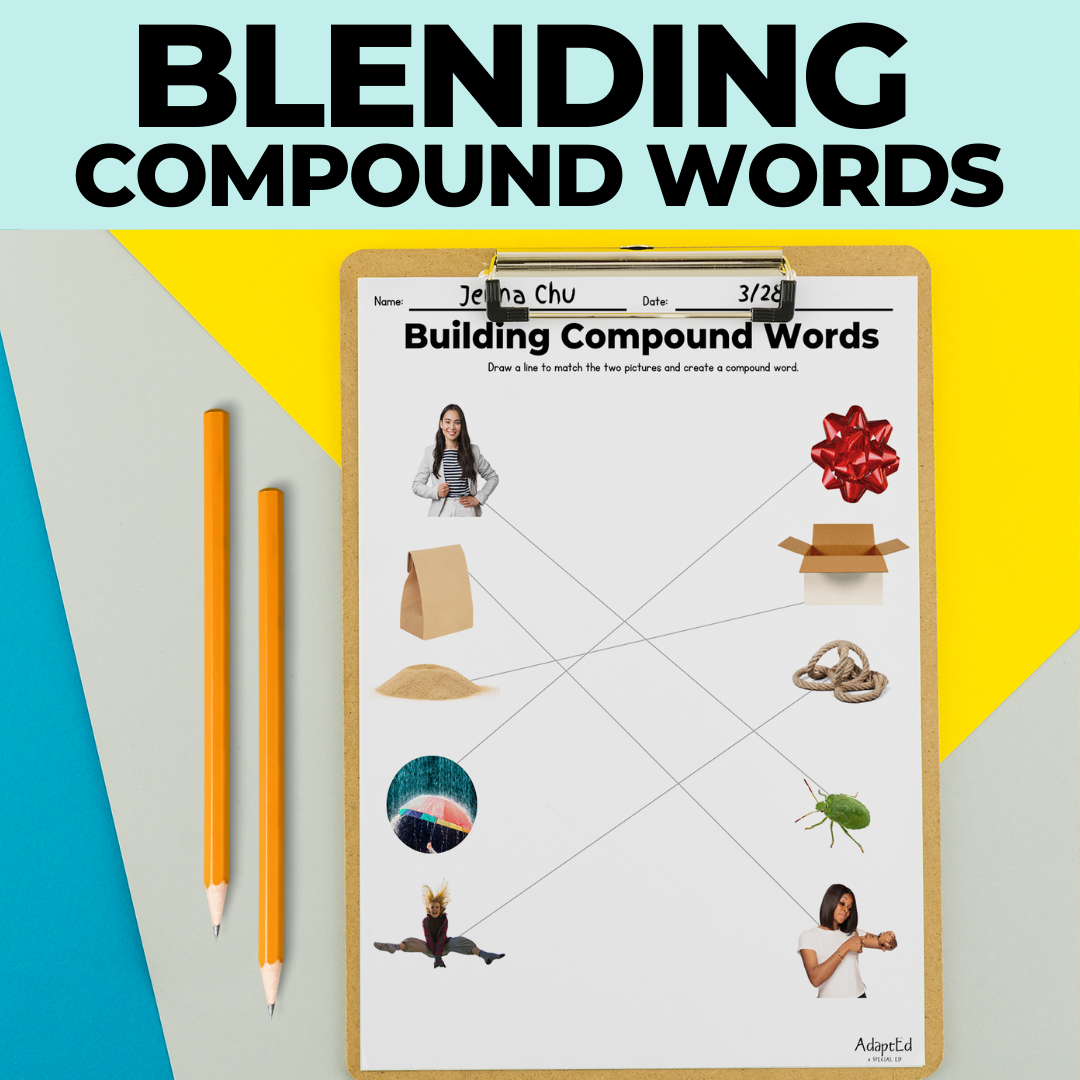
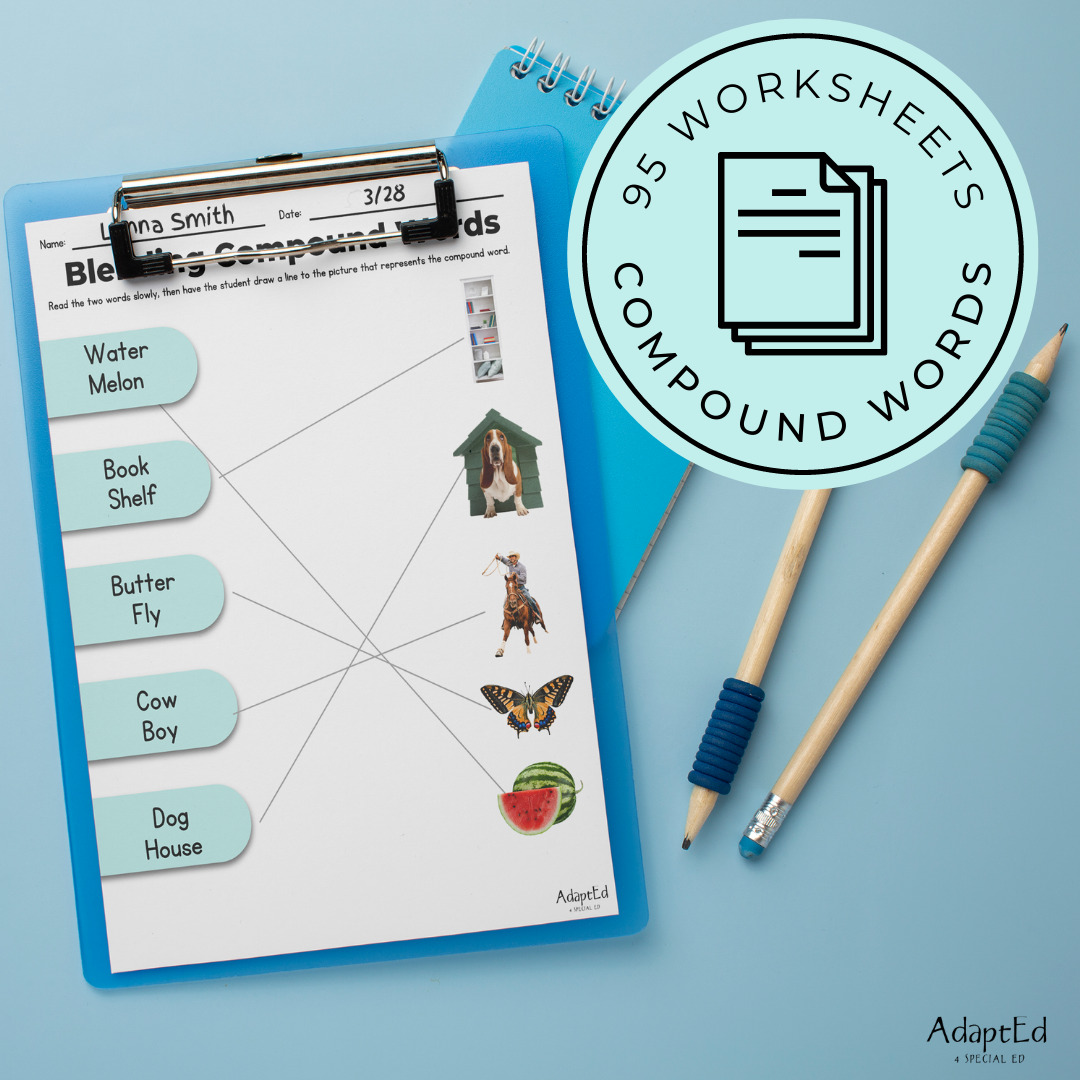
Blending Compound Words: 3 Levels: Phonemic Awareness Activity
Blending compound words is an essential literacy skill for students with disabilities, which can greatly improve their understanding of phonemic and print awareness!
This set includes 95 worksheets, in 3 different styles to provide repetition with variety to help learners develop this ability to blend words.
Step 1: Read The teacher or instructor reads out the two words slowly, guiding the learner in repeating the word either in their head or out loud while combining the two words together.
Step 2: Blend After they have blended the word, they can then proudly circle the correct picture. (feature pictures include both individual words along with the blended compound word.)
Step 3: Evaluate If students find it difficult to understand how to combine sounds together, instructors should look out for patterns in their mistakes and model techniques that will help them understand how to blend sounds correctly.
With practice, learners can become more confident and motivated in recognizing patterns within written language, paving a path towards better reading development.
This is perfect for:
Literacy Centers Stations
Finished Bins or "I'm Finished" Work
Small Groups
Why Compound Words for Teaching Blending?
Learning to blend compound words is an integral part of literacy development for students with disabilities, as it can help build their language and sound fluency.
Teaching the skill of blending compound words provides the student with a foundation of skills that is necessary for higher order reading and comprehension tasks.
Blending compound words helps students develop both phonemic and print awareness, which is essential for success in decoding and encoding words.
With practice, the student can become more confident in their ability to recognize and recognize patterns within written language. In addition, teaching this skill gives students with disabilities an advantage in becoming independent readers.
5 Reasons Why You Should Incorporate Compound Words Into Your Reading Instruction
Compound words help beginning readers recognize and accurately blend individual sounds.
When exposed to compound words in the early stages of learning to read, students are more likely to develop strong foundational literacy skills.
Compound words provide visual cues for the learner which makes it easier for them to understand how a word is constructed and each sound pronounced.
Mastering the task of blending longer compounds words gives early readers a sense of accomplishment while learning to read.
Learning how to identify and decompose compound words in can help students memorize vocabulary better and improve spelling accuracy.
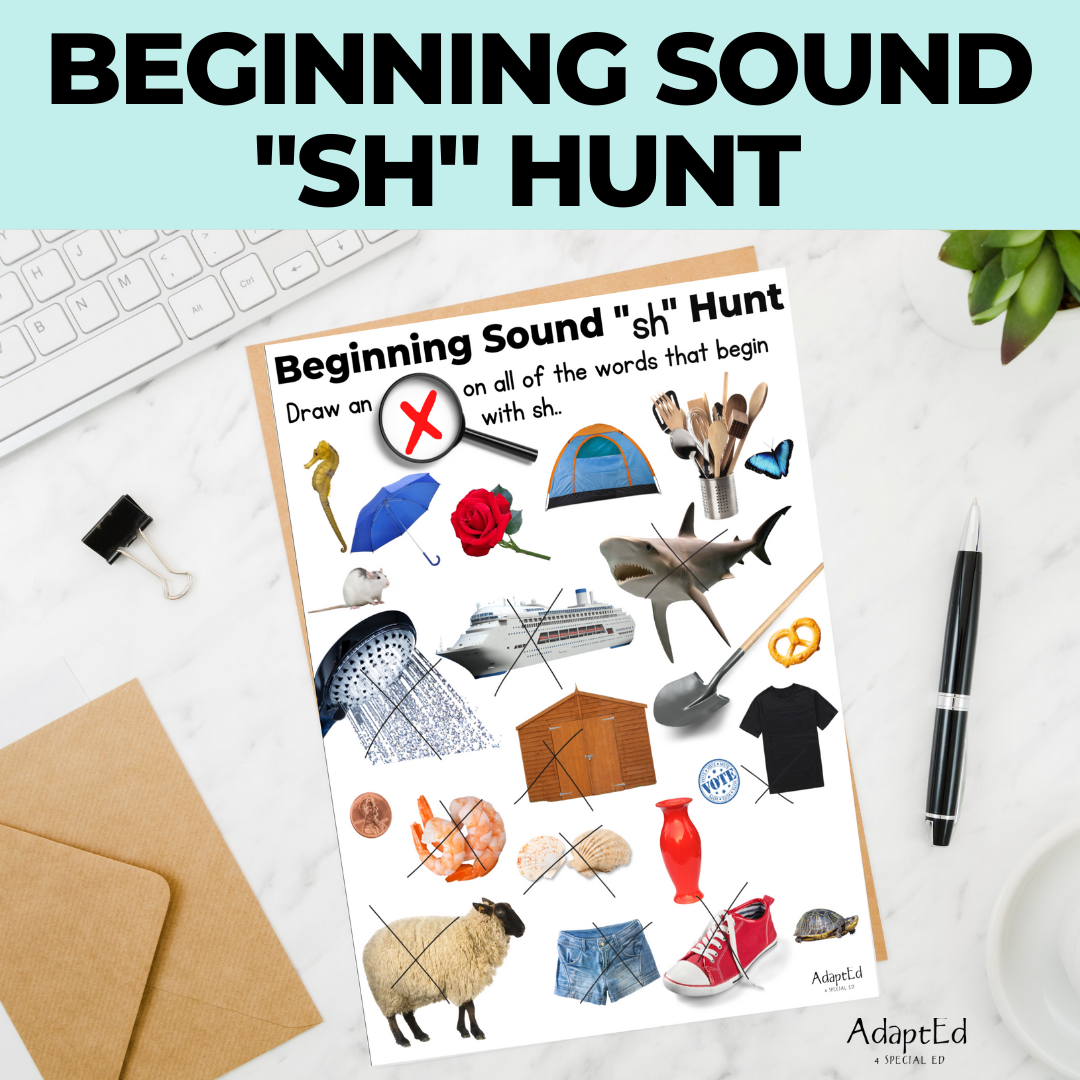
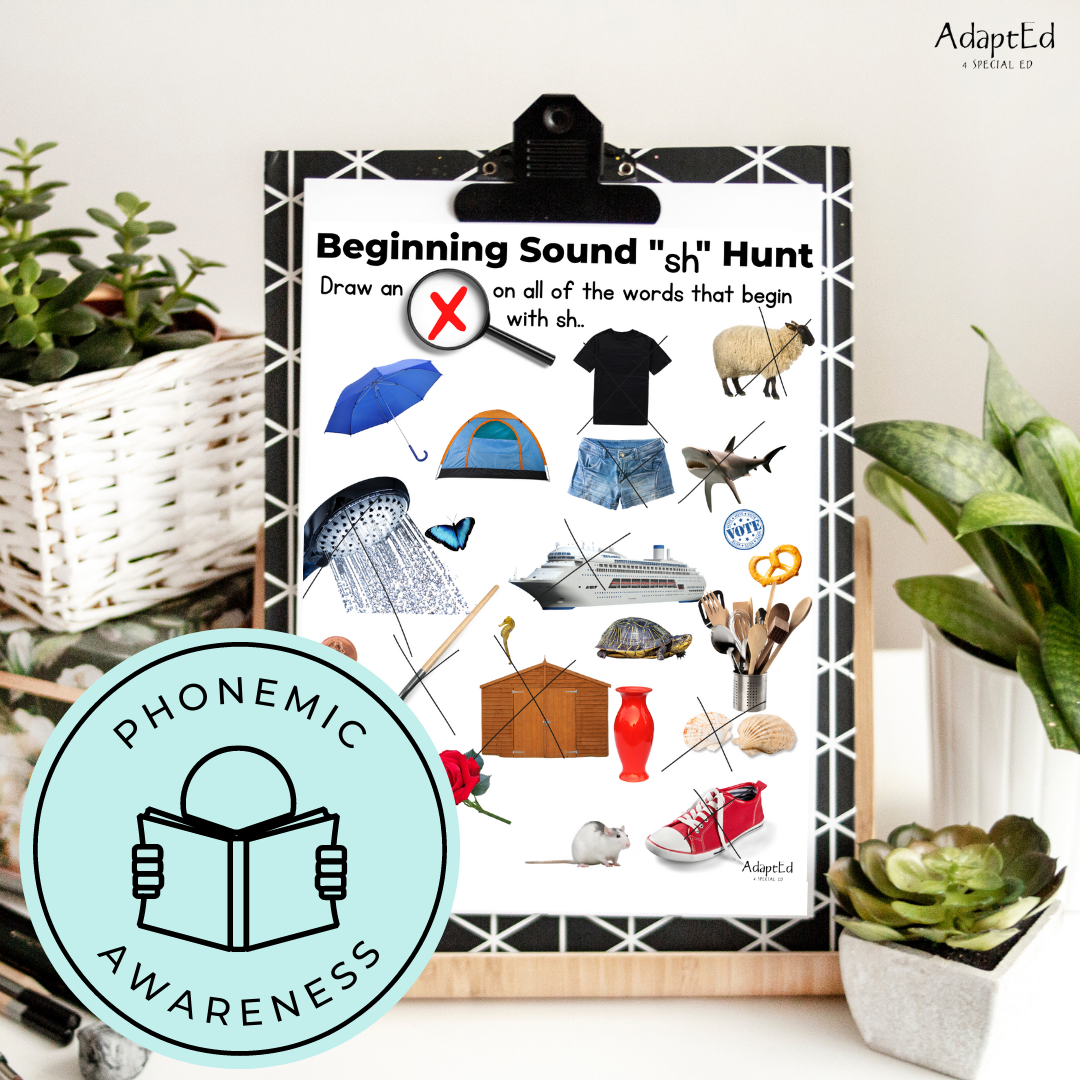
Digraph Beginning Sounds I Spy "Sh"
Looking for a fun way to help your students practice identifying the "Sh" sound? This Beginning Sound I Spy Hunt "Sh" activity is perfect!
Students mark the pictures that begin with the sound, and there are 5 different worksheets to choose from to provide plenty of repetition with variety.
This is a great way to build vocabulary and practice phonemic awareness.
Plus, it's NO PREP - just print and go!
5 I Spy Worksheets
This set is ideal to be used with:
Special Education
Beginning Readers
Struggling Readers
Pre-K to 1st Grade (RTI)
This is perfect for:
Literacy Centers Stations
Morning Work
Finished Bins or "I'm Finished" Work
Small Groups
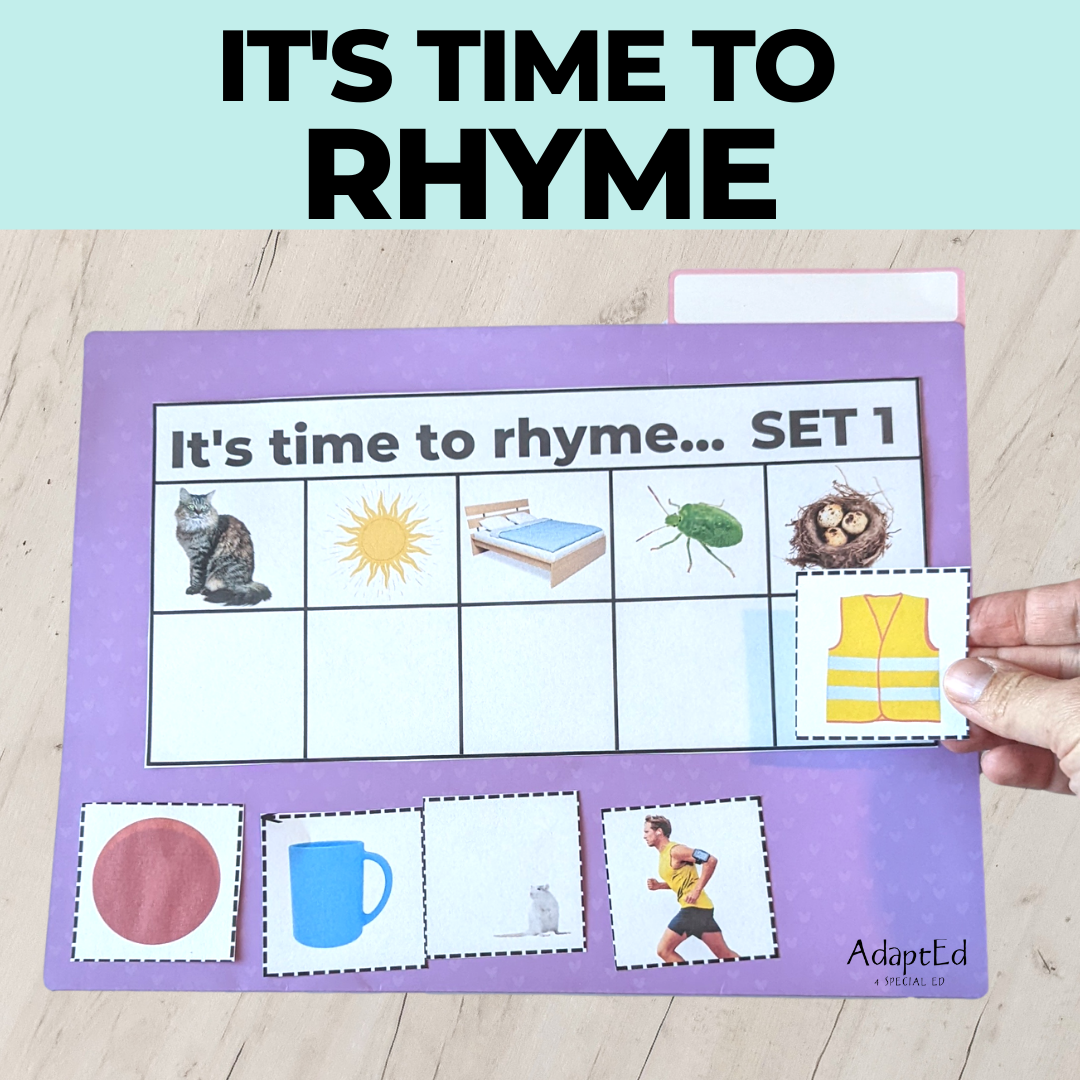
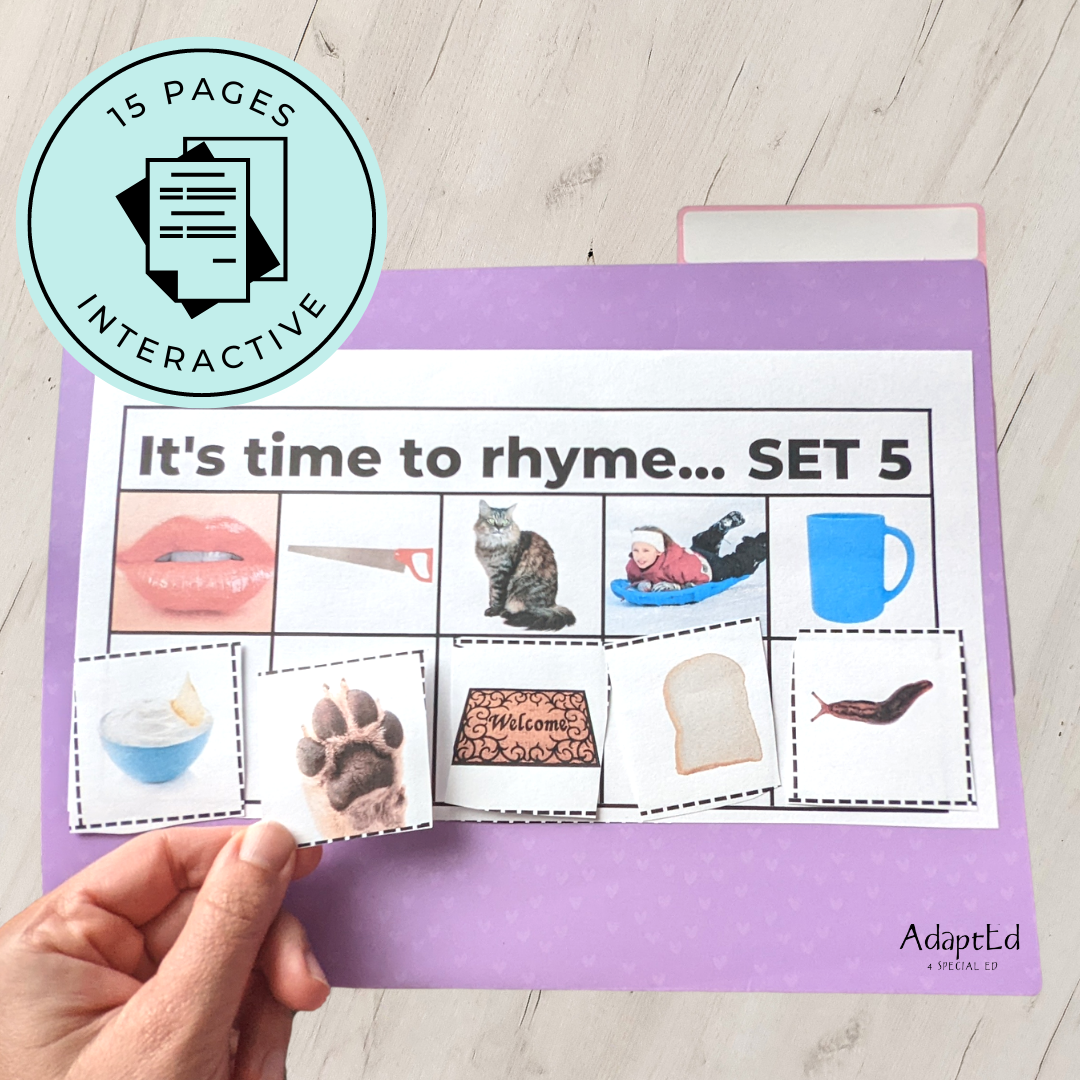
It's Time to Rhyme Rhyming File Folders Cut & Paste Worksheets Adapted Book
Looking for a fast, fun, and effective way to teach phonological/phonemic awareness skills? Look no further than AdaptEd's Rhyming Words.
By matching the pictures that rhyme, students will develop an important skill set that will help them become better readers, spellers, and writers.
This activity is perfect for Pre-K to 1st grade students, either in a classroom setting or at home.
15 worksheets or 15 file folders.
Use 3 ways:
Cut and Paste Worksheet
File Folders
Adapted Books
This set is ideal to be used with:
Special Education
Beginning Readers
Struggling Readers
Pre-K to 1st Grade (RTI)
Explicit phonological awareness instruction is important for all developing readers.
Students with special needs generally require more of this type of instruction- repetition with variety becomes essential to keep students engaged and learning.
*Research Tip* when first teaching rhyming words begin with words that have distinct mouth movements, (i.e. tap/map) that students can see. This provides our students with another visual clue.
Instead of waiting for your students to master a specific set of words before moving on, use different words and rotate through to provide additional learning opportunities and variety.
Listed below is a set of rhyming word skills that students should develop over time. This list goes from easiest to hardest, however don't limit your students to one type of instruction before mastery.
Mix up your teaching to provide them with repetition with variety.
Rhyming skills
Determining if 2 words rhyme
Identifying which word does not rhyme with a set of words
Identifying which words rhyme in a set of words
Generating rhyming words
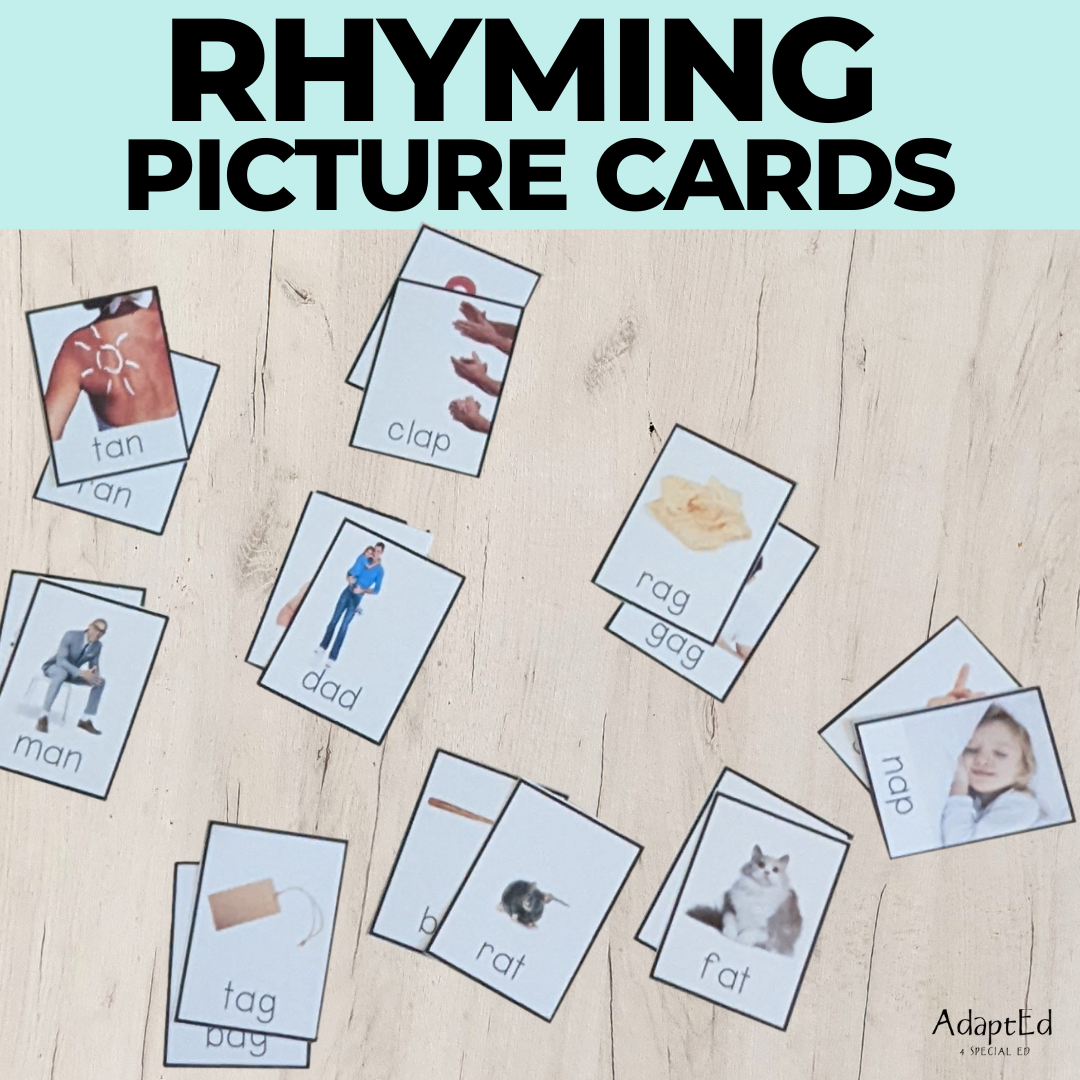
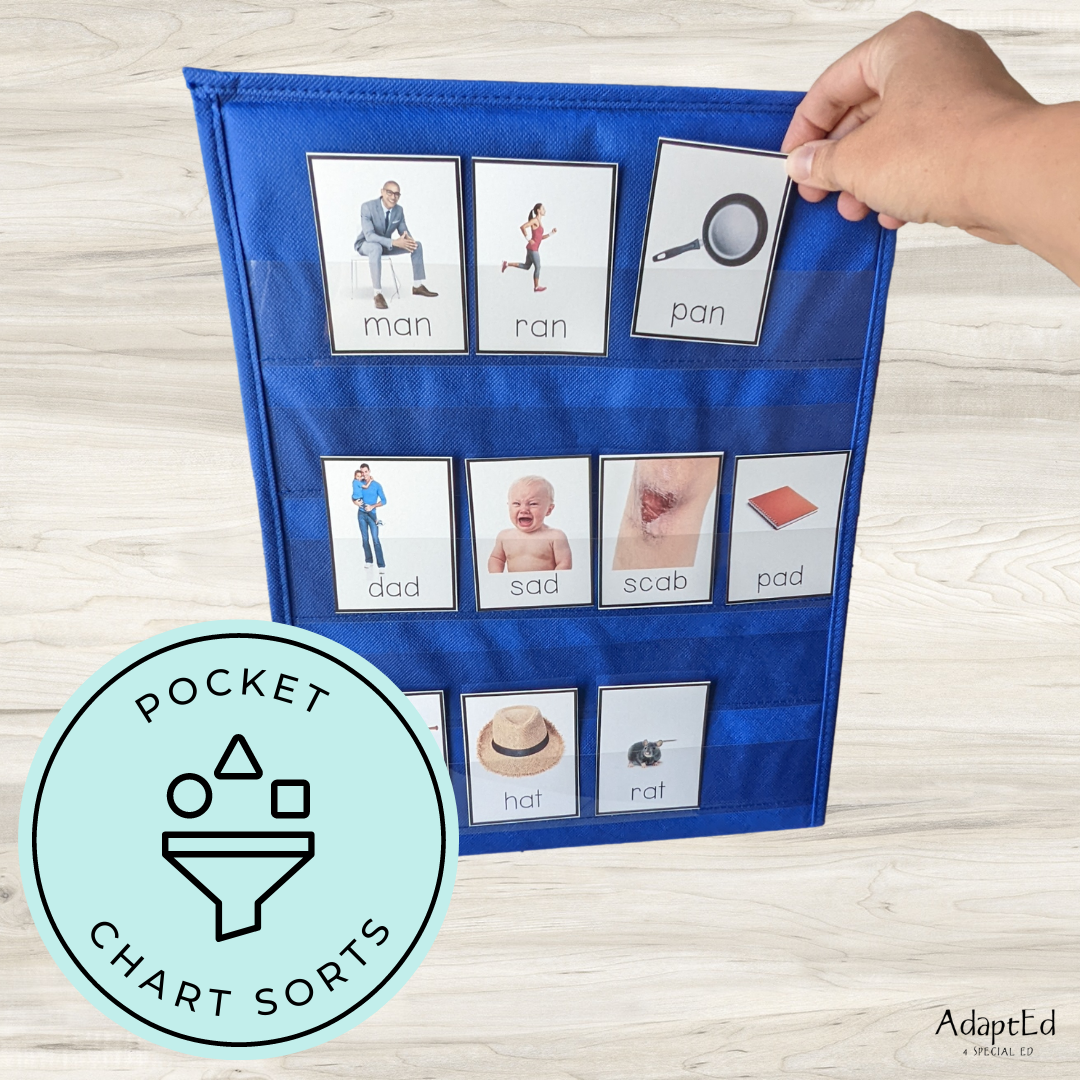
Rhyming Pictures Cards for Rhyming Practice Phonemic Awareness
Are you looking for a fun, hands-on activity to teach rhyming? Look no further than these Rhyming Word Cards! This activity set includes 206 clip cards with pictures and labels, as well as 206 cards with just pictures - perfect for differentiation.
Kids will have a blast practicing identifying rhymes, and you can use these cards for rhyming assessment too. Grab this must-have resource for your preschool, pre-k, kindergarten, RTI, SPED, early childhood, or at-home learning classroom today!
Here's what you'll get:
206 rhyming clip cards with pictures and labels
206 rhyming clip cards with pictures but without labels
How to use:
Memory/ Concentration Game
Card Game
Pocket Chart
These rhyming word games can be used simply as matching games for centers or the cards can be placed face down and they can be used as concentration games.
The concentration games will require students to focus in order to match the appropriate word pairs. I have included two sets of cards. The first set includes pictures with words that rhyme. The second set of cards has only pictures. These can be used for an advanced level of game play or for a student who is struggling to find the rhyming words.
Word Families and Words Included:
Short A:
_ab: cab, lab, crab, scab, grab
_at: bat, cat, fat, hat, mat, pat, rat
_ad: bad, dad, pad, sad
_an: man, pan, ran, tan, van
_ag: bag, rag, tag, wag, gag
_ap: cap, lap, map, nap, rap, sap, tap, clap
_am: bam, ham, jam, yam, clam
_ack: back, pack, rack, sack, black, crack, shack, snack, stack, quack
_ash: cash, lash, rash, sash, crash, flash, smash
Short E:
_ed: bed, fed, red, sled, shed
_eg: beg, leg
_et: jet, net, pet, vet, wet
_en: hen, men, pen, ten
_eck: deck, neck, check, wreck
_ell: bell, cell, sell, tell, well, yell, shell, smell, spell
Short I:
_it: bit, fit, hit, lit, sit, quit, spit
_id: big, dig, fig, pig, wig, twig
_im: slim, swim, trim
_ip: lip, rip, sip, drip, flip, ship, skip, slip, trip, whip
_ick: kick, lick, pick, sick, brick, chick, click, stick, thick, trick
_ish: fish, dish, wish
_in: fin, pin, tin, win, chin, skin, spin, thin, twin
Short O:
_ot: dot, hot, pot, knot, spot
_ob: cob, slob, rob
_og: dog, fog, jog, log, frog
_op: cop, hop, mop, pop, top, chop, drop, shop, stop
_ock: dock, lock, rock, sock, block, clock
Short U:
_ut: cut, hut, nut, shut, gut
_ub: cub, rub, tub
_ug: bug, dug, hug, mug, pug, rug, tug, plug, slug
_um: gum, drum, plum
_un: bun, fun, nun, run, sun
_ud: bud, mud
_uck: duck, suck, yuck, cluck, stuck, truck
_ush: hush, brush, crush, flush