
 What is the difference between emergent and beginner reader?
Reading proficiency is a critical milestone for children of all abilities and backgrounds, howeve...
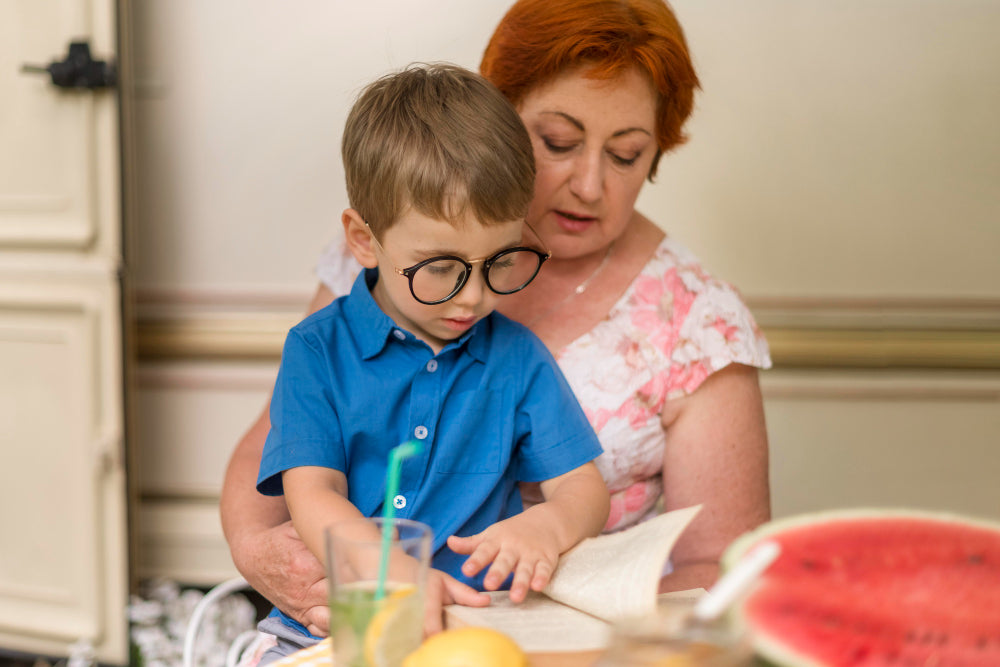 How Repetition and Practice Makes Perfect When Teaching Kids With Intellectual Disabilities
When it comes to teaching kids with intellectual disabilities, repetition and practice are key. ...
 Unlocking the Power of Patterns in Words to Give Kids With Intellectual Disabilities Access to More Complex Texts
As parents or educators, we know how important it is that our students with intellectual disabili...
 Increasing Confidence and Success Through the Use Of Phonics For Learners With Special Needs
Teaching students with special needs to read can be a challenge, but understanding their indivi...
 Crafting a Successful Phonics Strategy for Students with Special Needs
When it comes to providing the best possible learning environment for students with intellectual...
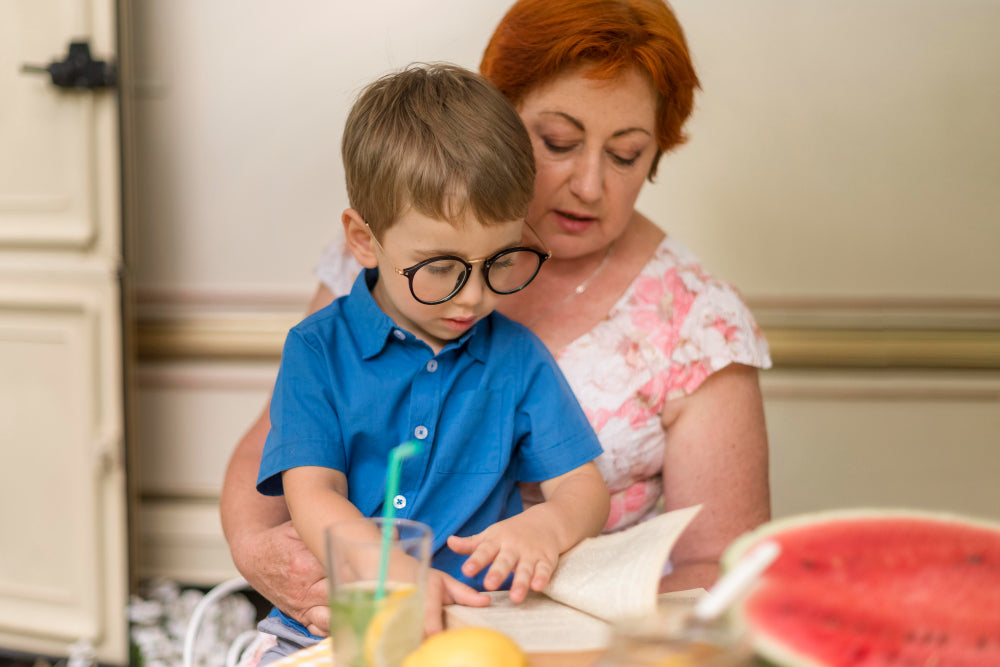 Exploring Effective Spelling Techniques through Familiarization of Sounds For Learners With Intellectual Disabilities
Learning to spell can be a daunting task for all students, but even more so for those with intell...
 Transforming Literacy Abilities – Exploring the Impact Of Phonics On Learners With Special Needs
Teaching literacy skills is an essential part of any curriculum, but it can be a particularly dif...
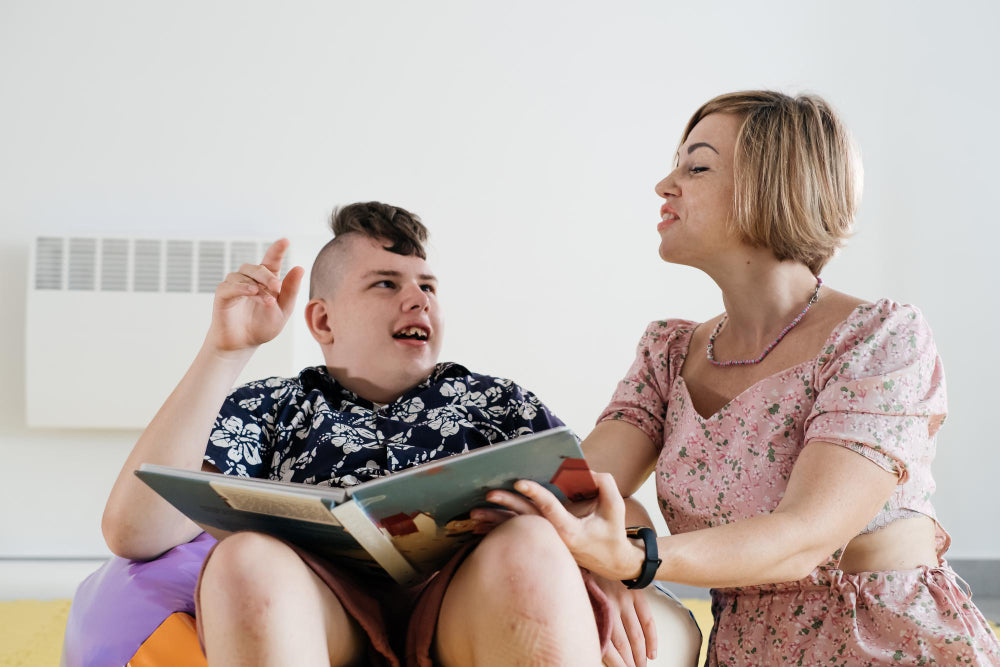 Making the Most of Flashcards and Other Visual Aids to Help Non-Verbal Learners Learn to Read
When it comes to teaching students with non-verbal communication, utilizing visual aids such a...
 Using Phonics to Help Non-Verbal Learners with Reading
Learning to read is a key milestone for children, but for non-verbal learners the process can fe...
 Overcoming Reading Challenges Through Phonics Instruction for Kids with Intellectual Disabilities
Reading is an essential part of life and for children with intellectual disabilities, reading may...
